
A cat’s adoption fee is a one-time cost. The real ongoing budget — food, litter, routine vet care, and supplies — typically runs $900 to $2,500 a year for a healthy adult cat, per World Animal Foundation’s cost breakdown, not counting an emergency. Here’s where that money actually goes, and how to budget for the one expense you can’t predict.

Annual Cat Ownership Cost, Category by Category
| Category | Typical Annual Cost |
|---|---|
| Food | $300–$500 |
| Litter | $125–$580 |
| Routine veterinary care (checkups, vaccines) | $200–$400 |
| Toys, scratching posts, other supplies | $200–$300 |
| Total (routine, no emergencies) | $900–$2,500 |
Food
Food is usually the single largest recurring line item, running $300 to $500 a year depending on whether you feed a budget, mid-range, or premium diet. Wet food generally costs more than dry, and a cat with a medical condition requiring a prescription diet can push this well past the typical range.

Litter
Litter costs vary more than people expect — $125 to $580 a year — driven mostly by litter type (clumping clay vs. crystal vs. natural alternatives) and how many cats and litter boxes you’re maintaining. Multi-cat households should budget on the higher end of this range.

Routine Veterinary Care
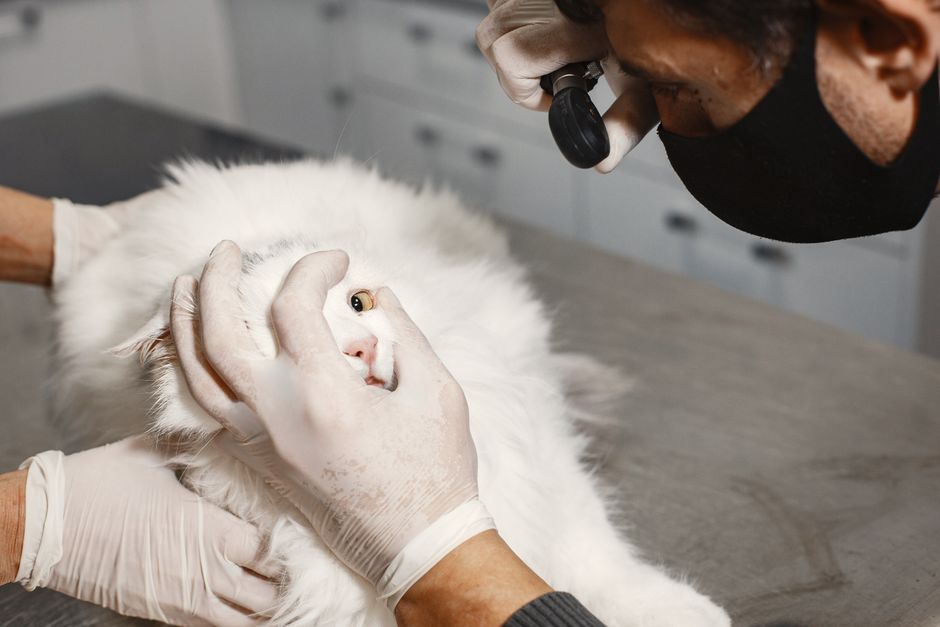
Routine care — an annual or twice-yearly checkup, booster vaccines, and basic preventive treatments like flea and heartworm prevention — typically runs $200 to $400 a year for a healthy adult cat. Senior cats generally cost more here, since twice-yearly visits are recommended past age 7.
Toys, Scratching Posts & Other Supplies
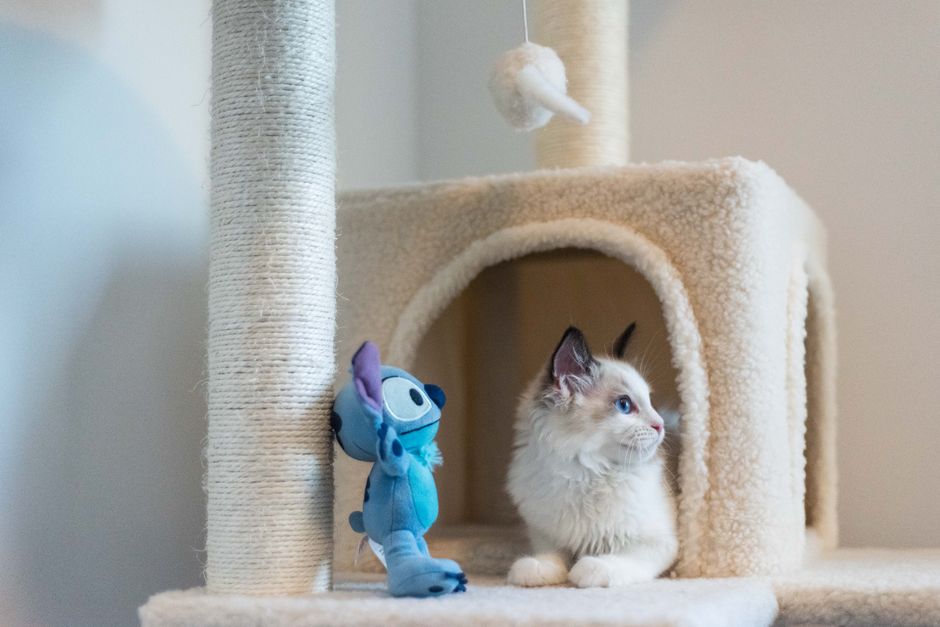
Toys, scratching posts, beds, and carriers add another $200 to $300 a year on average, though most of this is front-loaded in the first year when you’re buying starter equipment rather than replacements.
The Cost You Can’t Predict: Emergencies
Everything above assumes a healthy cat with no major medical events. That’s the exception, not the rule, over a cat’s full lifetime. A single emergency — a swallowed object, a serious illness, a broken bone — can run into the thousands of dollars well outside a normal year’s budget.

Year One vs. Every Year After
The first year with a cat is almost always more expensive than every year that follows, since it includes one-time starter costs on top of routine expenses: a litter box, a scratching post, a carrier, an initial round of any remaining vaccines, and often a spay/neuter fee if the cat wasn’t already altered. Budget for a noticeably higher first-year total, then expect costs to settle closer to the routine annual range afterward — until the cat reaches its senior years, when veterinary costs typically rise again.
How a Second Cat Changes the Math
| Expense | One Cat | Two Cats |
|---|---|---|
| Food | $300–$500/yr | Roughly double, minus small bulk-buying savings |
| Litter | $125–$580/yr | Higher — more litter boxes and more frequent changes recommended |
| Routine vet care | $200–$400/yr | Roughly double, since each cat needs its own checkups |
| Toys & supplies | $200–$300/yr | Only modestly higher — cats often share toys and scratching posts |
A second cat doesn’t simply double your budget across the board — food and vet care scale roughly linearly, but shared supplies and bulk purchasing soften the increase somewhat.
Should You Get Pet Insurance?
| Situation | Insurance Likely Worth It | Self-Funding May Make More Sense |
|---|---|---|
| Savings | Little to no dedicated emergency savings | $5,000+ set aside specifically for pet emergencies |
| Cat’s health history | Known or breed-related health risks | Healthy, no early signs of chronic conditions |
| Risk tolerance | A single large bill would cause real financial strain | Comfortable absorbing an unexpected large expense |
Per NerdWallet’s 2026 pet insurance guide, accident-and-illness plans average around $32 a month, while accident-only coverage runs closer to $9 a month. Either way, insurance is a bet on predictability — a fixed monthly cost in exchange for protection against the one expense that’s genuinely impossible to plan for.

It’s worth remembering that a rescue absorbs many of these same costs on your behalf before you ever meet a specific cat — the adoption fee covers only a fraction of what spay/neuter, vaccines, and any needed medical treatment actually cost. That gap is part of why donating to a cat rescue matters even if you’re not personally adopting right now.
Budgeting Before You Adopt
- Estimate your first-year cost, including one-time supplies, not just the ongoing monthly total
- Set aside — even gradually — a separate emergency fund specifically for vet costs, whether or not you also get insurance
- Factor in age: kittens need more upfront vet visits, seniors need more frequent ongoing ones
- If the ongoing cost feels like a stretch right now, fostering covers food and vet care for you while you build up savings — see our guide to adopting vs. fostering a cat
Frequently Asked Questions
How much does a cat cost per year on average?
A realistic annual budget for a healthy adult cat typically falls between $900 and $2,500, covering food, litter, routine vet care, and basic supplies — before factoring in an emergency or major illness.
What is the single biggest unpredictable cost of owning a cat?
Emergency veterinary care. A single emergency surgery or illness can run into the thousands of dollars, far exceeding a typical year of routine expenses.
Is pet insurance worth it for a cat?
It depends on your financial cushion. If a single large vet bill would cause real financial strain, insurance or a dedicated emergency fund is worth strong consideration. If you already have several thousand dollars set aside specifically for pet emergencies, self-insuring may make more sense.
Does the adoption fee cover ongoing costs?
No. An adoption fee is a one-time cost covering spay/neuter, initial vaccines, and a microchip. Food, litter, routine vet visits, and supplies are ongoing costs you’ll pay every month afterward — see our Fresno adoption cost guide for how the one-time fee breaks down.
Ready to Adopt? Know What You’re Signing Up For
Cats By The Tracks is happy to talk through what to expect before you adopt, including the specific medical history of any cat you’re considering.
Leave a Reply