
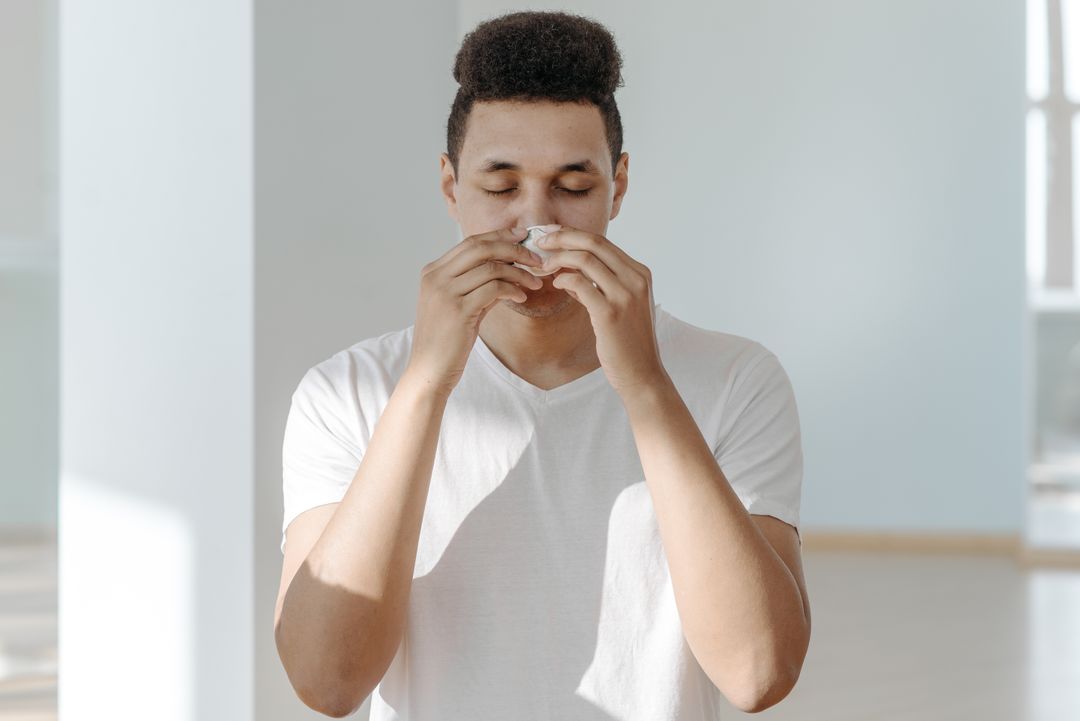
“I am allergic to cats” is one of the most common reasons people either avoid adopting or surrender a cat they already have.
For a minority with severe reactions, that is the right conclusion. For many people, cat allergy is manageable to the point where it stops mattering day to day.
Here is what actually causes it, what genuinely helps, and how to find out before you commit to an animal.
What you are actually allergic to
It is not the fur. The primary allergen is Fel d 1, a protein produced mainly in cats’ saliva and sebaceous glands.
Cats groom constantly, spreading saliva over their coat. It dries, flakes off with skin cells as dander, and becomes airborne on particles small enough to stay suspended for hours.
This is why the fur length makes far less difference than people assume, and why every “hypoallergenic breed” claim deserves scepticism.

The hypoallergenic myth
No cat breed is genuinely hypoallergenic. All cats produce Fel d 1.
Production does vary between individual cats, and some people react far less to one particular cat than another — but that variation is individual rather than reliably breed-based.
| Common claim | Reality |
|---|---|
| Hairless breeds are safe | Still produce Fel d 1 on the skin |
| Short-haired cats are better | Little consistent difference |
| Female cats produce less | Some evidence, but small and unreliable |
| Neutered males produce less | Some evidence; intact males produce most |
| Certain breeds are hypoallergenic | No breed reliably is |
| Kittens produce less | Production increases with maturity |
The practical implication: test your reaction to the specific cat rather than trusting a breed label.
Test before you commit
This is the single most useful thing you can do, and rescues will generally accommodate it.
- See a doctor and confirm cats are actually the trigger — many people are wrong about this.
- Spend an extended visit with the specific cat, ideally more than once.
- Ask about a trial or foster-to-adopt arrangement.
- Note symptoms over several days, not just during the visit.
- Have a plan for what happens if it does not work.

Foster-to-adopt is ideal here. It gives a realistic test in your own home rather than a twenty-minute assessment in someone else’s.
What actually reduces symptoms
Measures vary enormously in effectiveness, and the popular ones are not always the useful ones.
| Measure | Effectiveness | Effort |
|---|---|---|
| Keep the cat out of the bedroom | High | Low |
| HEPA air purifier in the bedroom | High | Low, once bought |
| Replace carpet with hard flooring | High | High |
| Wash bedding weekly at high temperature | Moderate to high | Low |
| Regular grooming by a non-allergic person | Moderate | Low |
| Vacuum with a HEPA filter, twice weekly | Moderate | Moderate |
| Wash hands after handling the cat | Moderate | Trivial |
| Bathing the cat | Low and short-lived | High, and stressful |
The bedroom measures do the heaviest lifting. You spend roughly a third of your life in that room, so making it a low-allergen space disproportionately reduces total exposure.

Bathing is the measure people reach for and the one that helps least — the effect fades within a couple of days and most cats find it genuinely distressing.
Medical management
Antihistamines, nasal steroids and, for persistent cases, immunotherapy are all options worth discussing with a doctor rather than self-managing indefinitely.
Immunotherapy takes months to years but can substantially reduce sensitivity for people who are committed to keeping a cat.
Do not simply take antihistamines daily for years without review. Get an actual diagnosis and a plan.
International Cat Care publishes practical guidance on living with cats, including household management.
When adopting is not the right call
Being honest about this matters, because a cat returned after three months is a worse outcome than one never adopted.
- Asthma that is triggered or worsened by cat exposure.
- Severe reactions that persist despite medication.
- A child whose symptoms are significant and who cannot consent to the trade-off.
- A household member opposed to the necessary measures.
- Rented accommodation where you cannot change flooring or restrict rooms.
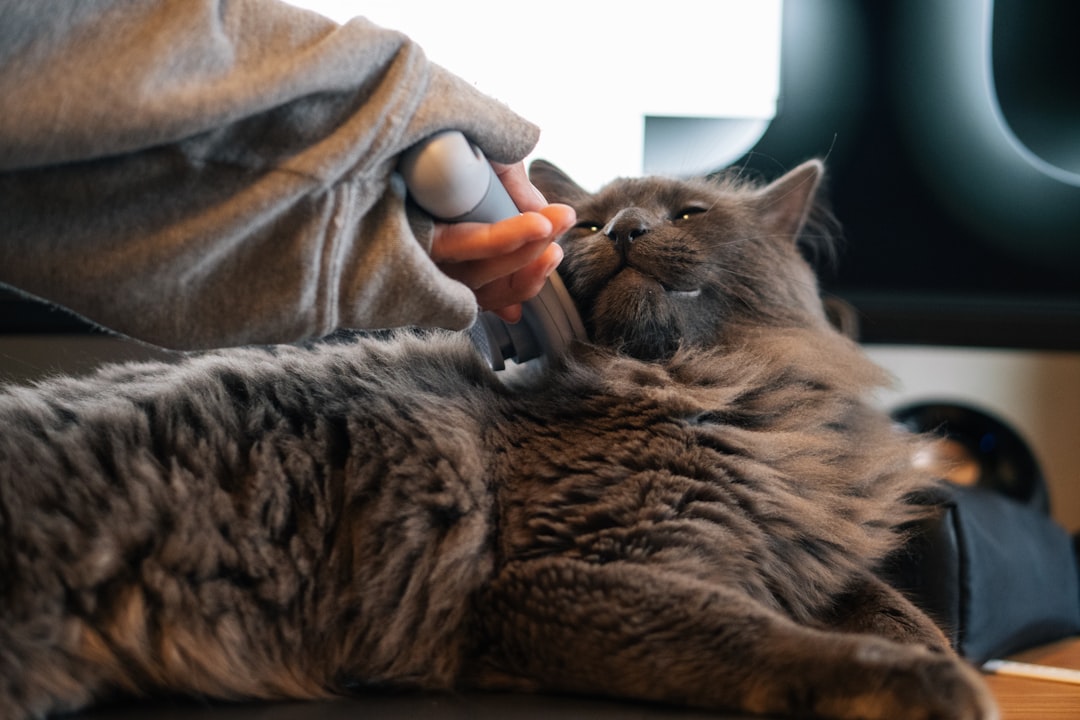
Asthma in particular deserves medical advice before adopting rather than after. It is a different level of risk from seasonal sniffles.
Setting the house up
If you go ahead, do the work before the cat arrives rather than reacting afterwards.
- Designate the bedroom as permanently cat-free, from day one.
- Put a HEPA purifier in the bedroom and run it continuously.
- Remove soft furnishings you can live without, especially in the bedroom.
- Establish who does the grooming and litter box — ideally not the allergic person.
- Set a weekly cleaning routine and stick to it.
Consistency from the start is much easier than retrofitting rules onto a cat that has already claimed the bed.

Our checklist for preparing your home before adoption covers the wider setup, and the first 30 days with a new cat covers establishing routines early.
If you would like to trial a cat in your own home before committing, our foster-based adoption process can usually accommodate that.
Choosing the individual cat
Since Fel d 1 production varies between individual cats rather than reliably between breeds, the selection process matters more than the breed label.
| Factor | What the evidence suggests |
|---|---|
| Neutered male | Produces less than an intact male |
| Female | Some evidence of lower production |
| Individual variation | Larger than any breed effect |
| Coat length | Little consistent difference |
| Age | Production rises with maturity |
The practical approach is to spend real time with two or three specific cats and notice whether your reaction differs. It frequently does, and that difference is more informative than any breed claim.
Tell the rescue about the allergy at the application stage rather than after. A good rescue will help you test properly rather than quietly hoping it works out.
Our guide to choosing between a rescue, shelter and breeder covers which route best supports a trial period, and adopting versus fostering covers foster-to-adopt arrangements.
Frequently Asked Questions
Are any cat breeds truly hypoallergenic?
No. All cats produce Fel d 1, the protein responsible for most cat allergy. Production varies between individual cats, but that variation is individual rather than reliably breed-based.
What causes cat allergy?
A protein called Fel d 1, produced mainly in saliva and skin glands. Cats spread it over their coat while grooming; it dries, flakes off as dander and becomes airborne on very small particles.
Does a hairless cat help with allergies?
Not reliably. Hairless breeds still produce Fel d 1 on their skin. The allergen is in saliva and skin secretions rather than the fur itself, so coat length matters far less than assumed.
What is the most effective way to reduce cat allergen at home?
Keep the cat permanently out of the bedroom and run a HEPA air purifier there. You spend around a third of your life in that room, so it disproportionately reduces total exposure.
Does bathing a cat reduce allergens?
Only slightly and briefly. The effect fades within a couple of days, and most cats find bathing genuinely distressing. It is the measure people try first and the one that helps least.
Can I test my allergy before adopting?
Yes, and you should. Confirm with a doctor that cats are the trigger, spend extended time with the specific cat more than once, and ask about a foster-to-adopt trial in your own home.