
A cat overcrowding a shelter in one region might be in high demand just a few states away — transport networks exist specifically to close that gap, and they move a genuinely staggering number of animals every year to give cats a real shot at adoption regardless of where they happened to end up.
The Scale of Shelter Transport
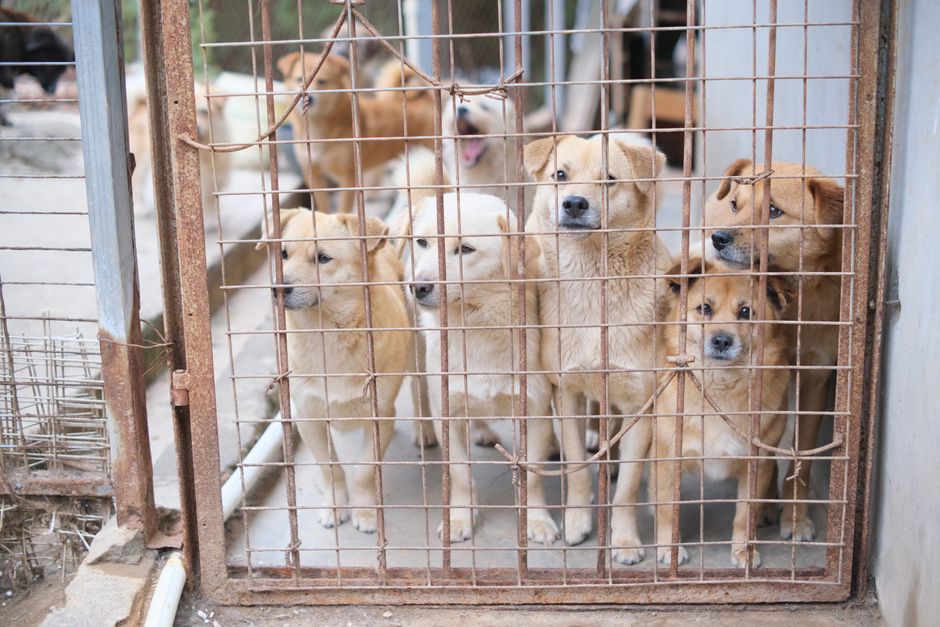
The ASPCA is the largest transporter of shelter dogs and cats for adoption in the U.S., partnering with shelters and rescues across 40 states to move more than 25,000 animals annually from areas of high homeless pet overpopulation to “destination” shelters where demand for adoptable animals is higher. This scale of operation would be impossible for any single local shelter to replicate on its own.
Air Transport: Wings of Rescue
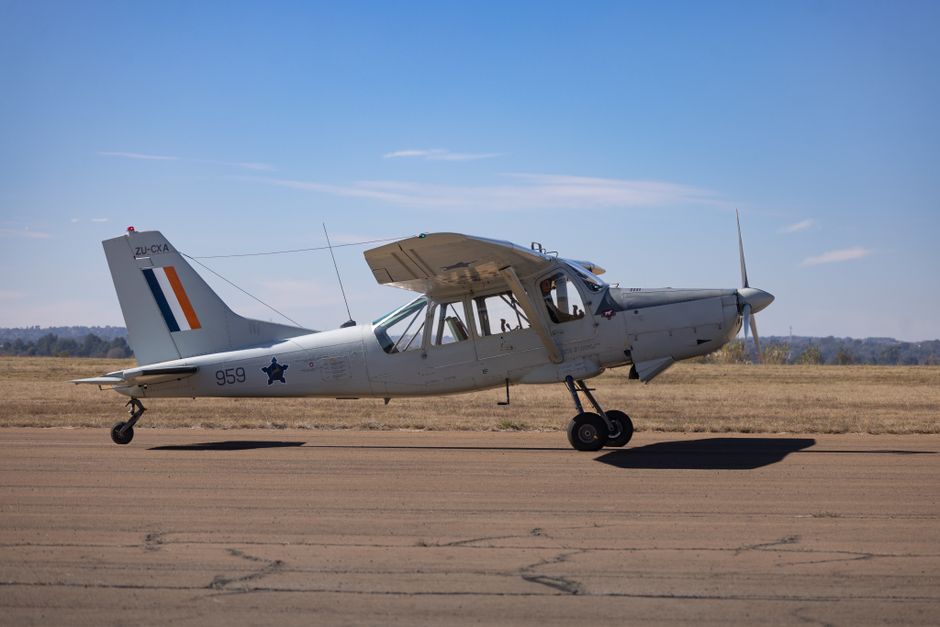
Wings of Rescue averages more than 100 flights per year and has landed in all 50 U.S. states, 8 provinces of Canada, Mexico, and 15 countries in the Caribbean. Adding air transport lets organizations move animals longer distances faster — cross-country trips that would take days by road happen in a few hours by air, which is significantly less stressful for the animals involved.
Ground Transport Networks
Rescue Express provides free access to outfitted transport buses for qualified nonprofit animal rescue groups, helping close the physical distance between overcrowded shelters and second chances. BISSELL Pet Foundation’s transport program moves adoptable pets from overcrowded shelters — mainly in the South — to rescue partners with adopters actively seeking pets, functioning as a bridge between regions with very different supply-and-demand realities.

Why This Matters
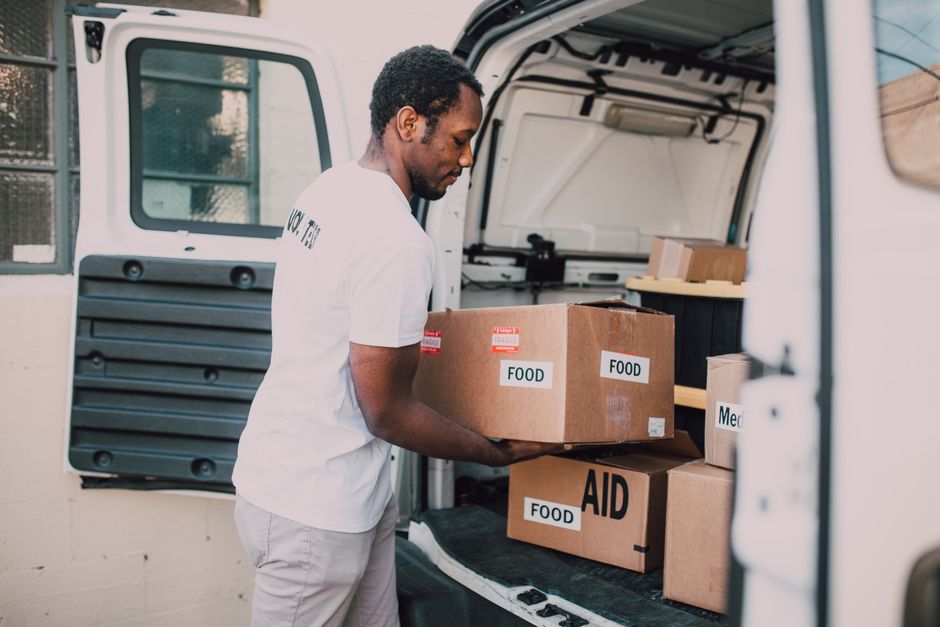
Relocation is an effective and critical tool for preventing needless euthanasia of otherwise adoptable pets. Without transport networks, cats in oversupplied regions would simply have nowhere to go, regardless of how adoptable or healthy they are — the problem isn’t a lack of good cats, it’s a geographic mismatch between supply and adopter demand that transport directly solves.
How This Connects to Local Rescues
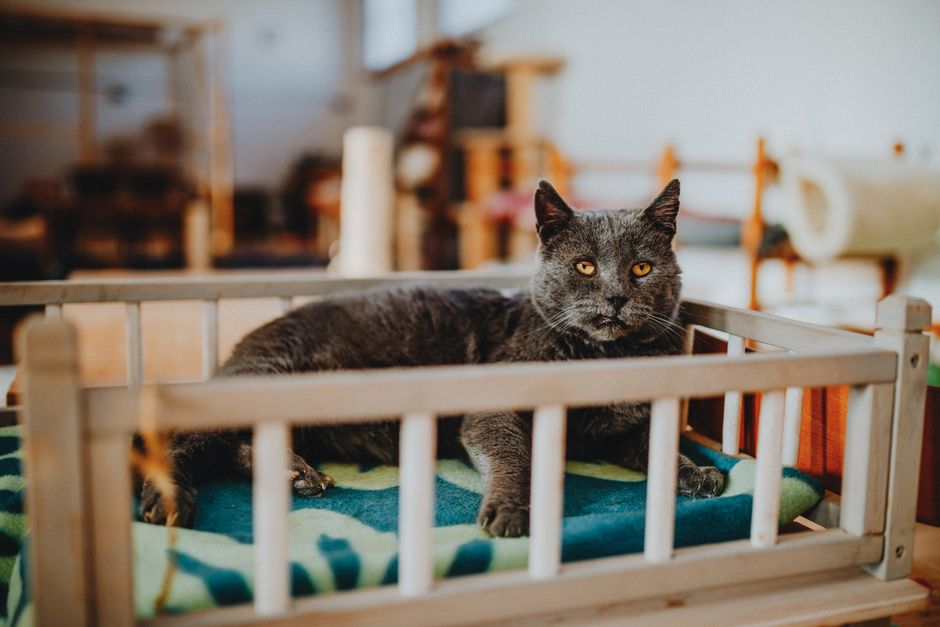
A foster-based rescue like Cats By The Tracks sometimes participates in this broader network, receiving cats from areas with less capacity. If you’re interested in how a rescue absorbs incoming cats, see our guide to fostering kittens for one of the ways local capacity gets created, since fostering is what actually makes room for a transported cat to have somewhere to go once it arrives.
The Logistics Behind a Transport Run
A single transport run involves considerably more coordination than simply loading cats into a vehicle and driving. Sending shelters need to confirm each animal is healthy enough to travel and current on required vaccinations, while receiving shelters need advance notice of exactly how many animals are arriving, their approximate ages and temperaments, and any special medical needs, so they can prepare kennel space and staff accordingly. Volunteer drivers or pilots, health certificates, customs paperwork for any cross-border routes, and a relay system of handoff points for longer ground routes all have to come together on a fixed schedule.
Because so many moving pieces have to align, most transport networks operate on a regular, published schedule rather than purely on-demand — giving both sending and receiving shelters time to plan intake and prepare, rather than being caught off guard by an unplanned batch of new arrivals.
Risks and Safeguards in Transport
Moving animals long distances isn’t without risk, and reputable transport organizations build in specific safeguards: pre-travel veterinary checks to catch anything that would make travel unsafe, climate-controlled vehicles or aircraft, regular rest and hydration stops on longer ground routes, and clear protocols for what happens if an animal shows signs of distress mid-transport. Organizations with a long track record, like the ASPCA and Wings of Rescue, have refined these protocols over many years and thousands of successful transports.
For a receiving shelter or rescue, working only with established, reputable transport partners — rather than an informal, one-off arrangement — is one of the clearest ways to make sure incoming animals arrive healthy and ready for adoption rather than further stressed by the journey itself.
How Local Rescues Can Get Involved
A smaller local rescue doesn’t need to run its own fleet of vehicles to participate in this system — most transport networks are specifically built around a hub-and-spoke model where smaller organizations register as either a sending or receiving partner, then simply follow that network’s existing schedule and paperwork process. Reaching out to established organizations like the ASPCA’s transport program or a regional equivalent is usually the fastest path to accessing this infrastructure without having to build it independently.
Volunteering as a local relay driver for a portion of a longer ground route is another accessible way to support these networks without a major time commitment, since most routes are broken into shorter legs handled by different volunteers along the way.
What Happens After a Cat Arrives
A transported cat’s journey doesn’t end the moment it steps off the truck or plane — most destination shelters run a brief quarantine and health check before putting a new arrival up for adoption, both to confirm the animal traveled well and to protect the existing shelter population from any illness the transport process might have exposed. This short adjustment period is a normal, expected part of the process, not a sign anything went wrong.
Frequently Asked Questions
How many animals does the ASPCA transport annually?
More than 25,000 animals a year, moved from shelters in areas of high homeless pet overpopulation to “destination” shelters where adoption demand is higher, across partnerships spanning 40 states.
What is Wings of Rescue?
An organization that averages more than 100 flights per year, having landed in all 50 U.S. states, 8 provinces of Canada, Mexico, and 15 countries in the Caribbean, flying rescue animals to safety and adoption opportunities.
Why does transport matter so much for preventing euthanasia?
Relocation is a critical tool for preventing needless euthanasia of adoptable pets — moving animals from an area with too many cats and too few adopters to an area with the opposite problem, rather than letting geography determine an animal’s fate.
What does Rescue Express provide?
Free access to outfitted transport buses for qualified nonprofit animal rescue groups, helping close the physical distance between overcrowded shelters and second chances.
How do smaller local rescues participate in this system?
Many function as “destination” partners, receiving animals transported in from oversupplied regions and placing them with local adopters — a role that expands the effective reach of the larger national networks.
Support Our Rescue Efforts
Cats By The Tracks relies on community support to keep pace with cats needing homes in the Central Valley.