
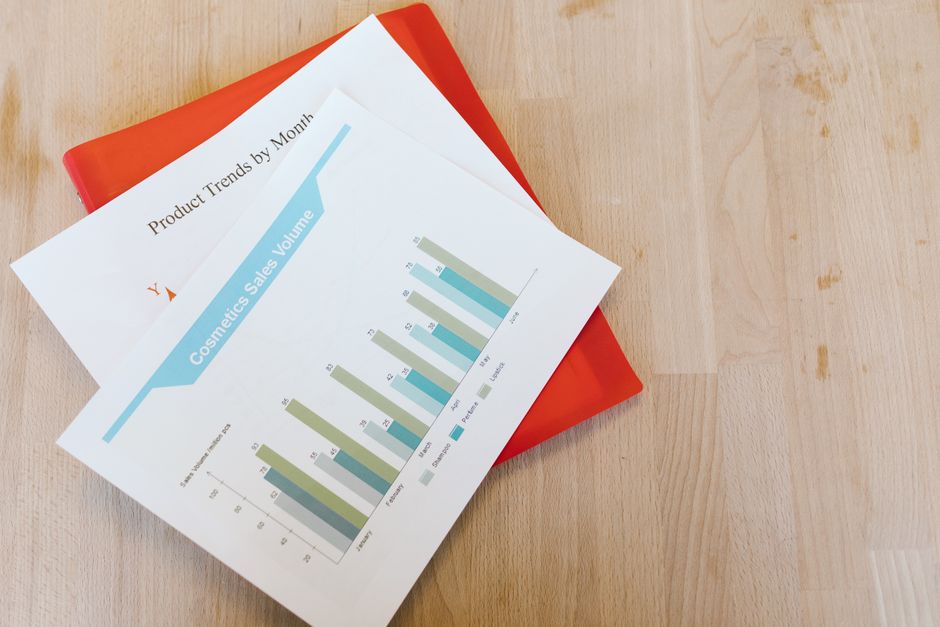
A donation feels different once you can actually see where it went — and reputable nonprofits make that traceable, if you know what to look for in their public filings and annual reports.
Form 990: The Public Financial Filing
The IRS requires most tax-exempt organizations to file an annual information return, typically Form 990, detailing income, expenses, governance, and programs. These filings are public — anyone can look up a nonprofit’s Form 990 to see exactly how it’s structured financially, well beyond what a glossy annual report alone might show.
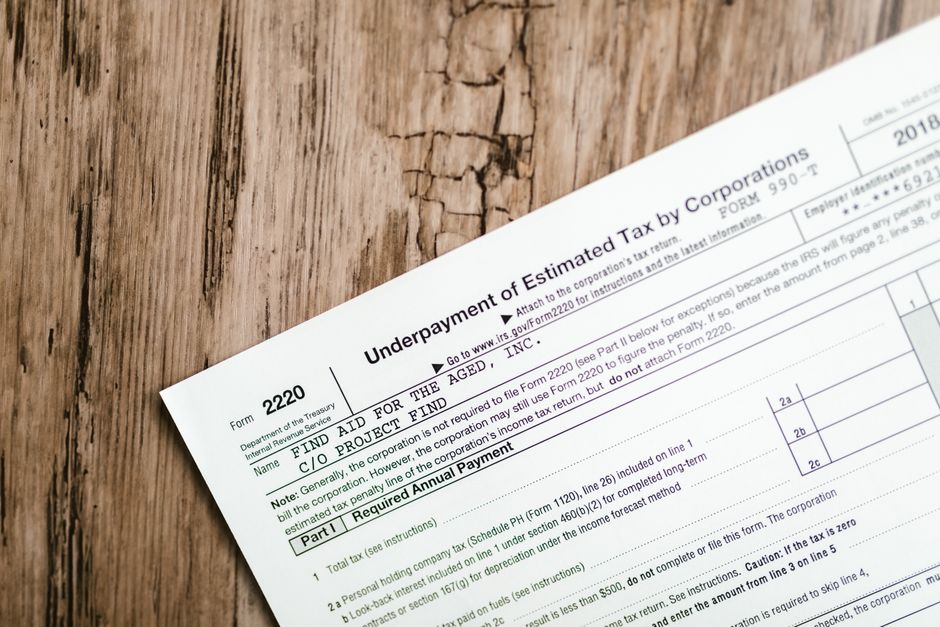
How Expenses Get Categorized
All expenses are required to be broken out into three categories: program activities, management and general, and fundraising. This breakdown is what actually tells you how much of a donation goes toward direct program work versus administrative overhead or the cost of raising more money — a genuinely useful comparison point across different organizations.


What a Strong Annual Report Adds Beyond the Numbers
The best annual reports go beyond a bare financial breakdown — they include success stories, concrete metrics, and data that demonstrate the actual impact of the spending, not just where money was allocated. Visual aids like charts and infographics also help make dense financial data genuinely readable rather than just technically available to anyone willing to dig through raw filings.

Why This Actually Matters for Donors
Transparency isn’t a nice-to-have — about 50% of donors say they’re turned off from giving if they don’t know how their money is being spent. This directly affects whether people give at all, not just how generously. A nonprofit that publishes clear, detailed reports is signaling something real about how it operates, and that signal genuinely matters to a large share of the giving public.


What to Look For Before You Give
- Confirm the organization is a verified 501(c)(3) — see our guide to tax-deductible donations for how to check
- Look up the organization’s Form 990 if it’s not directly linked from their site
- Check whether their annual report includes concrete outcomes, not just financial totals
- Look for a reasonable ratio of program spending relative to management and fundraising costs
Reading Between the Lines of a Financial Statement
A single year’s expense ratio doesn’t always tell the full story on its own. A nonprofit investing heavily in a new facility, a major fundraising push, or expanded medical capacity might show a temporarily higher overhead or fundraising percentage in the filing year that investment happened — not necessarily a sign of mismanagement, but a deliberate short-term tradeoff for long-term program growth. Comparing several years of filings, rather than judging a single year in isolation, gives a much more accurate read on an organization’s actual financial pattern and priorities.
It’s also worth looking at trends in program spending as a share of total revenue over time, rather than fixating on a single ratio in isolation — a nonprofit steadily increasing its program spending percentage year over year is generally moving in a healthy direction, even if its absolute overhead costs haven’t changed much.
Questions Worth Asking Before You Give
- How has program spending, as a share of total expenses, changed over the last three years?
- What specific outcomes did last year’s spending actually achieve — how many animals helped, adopted, or treated?
- Is the organization’s Form 990 easy to find, or does it require a direct request?
- Does the annual report explain any major year-over-year changes in spending, rather than just listing totals?
A nonprofit willing to answer these questions directly, rather than deflecting to a generic “we’re transparent” claim, is generally demonstrating exactly the kind of accountability worth supporting with your donation.
What a Trustworthy Small Nonprofit Looks Like
Smaller, community-based rescues often can’t match a national organization’s polished annual report design, and that’s fine — the substance matters far more than the presentation. A small nonprofit that plainly shares its basic numbers, answers direct questions about spending honestly, and can point to specific cats helped is demonstrating the same underlying transparency as a large organization with a glossy PDF report, just at a smaller scale and with fewer resources devoted to presentation.
Don’t let the absence of a slick annual report alone be a red flag — instead, judge based on whether the organization is willing to answer your specific questions clearly when you ask them directly.
A Note on Charity Watchdog Ratings
Third-party charity evaluators like Charity Navigator or GuideStar can offer a helpful quick reference, but their ratings are typically built primarily around larger nonprofits with several years of consistent public filings — a small, newer rescue may simply not have enough filing history yet to be rated at all. The absence of a watchdog rating isn’t itself a red flag; it just means direct questions and a look at the organization’s own Form 990 matter more for a smaller, newer nonprofit.
One Last Consideration
Don’t hesitate to simply email or call an organization and ask direct questions about their finances — a nonprofit worth supporting will welcome the question rather than treating it as an unusual or unwelcome request.
Frequently Asked Questions
What is Form 990 and why does it matter?
It’s the annual information return the IRS requires most tax-exempt organizations to file, detailing income, expenses, governance, and programs. These filings are public, making them a genuine transparency tool for donors who want to look beyond a nonprofit’s own marketing materials.
How are nonprofit expenses typically categorized?
Into three buckets: program activities, management and general, and fundraising. Seeing how these break down tells you how much of a donation actually reaches direct program work versus supporting the organization’s own operations.
Why do donors care so much about transparency?
About 50% of donors say they’re turned off giving if they don’t know how their money is being spent — transparency directly affects whether people give at all, not just how much, making it a genuinely material factor in fundraising success.
What should a good annual report include beyond raw numbers?
Success stories, concrete metrics, and data illustrating program effectiveness — not just a financial breakdown, but evidence that the spending actually achieved something measurable.
Where can I find a specific nonprofit’s Form 990?
Many nonprofit-tracking websites host these filings for free, or you can request a copy directly from the organization, since federal law requires them to provide it on request.
See Where Your Support Goes
Cats By The Tracks is committed to transparency about how donations directly support our foster-based rescue work.