

A corporate partnership can meaningfully change what a small cat rescue is able to do — and companies of essentially any size have a realistic way to get involved, not just large national brands with dedicated philanthropy budgets.
The Range of Partnership Models
Animal rescue nonprofits typically build corporate relationships across several models: cause-related partnerships, event sponsorships, workplace giving and employee engagement programs, licensing, in-kind partnerships, and corporate foundation giving. Larger organizations like Best Friends Animal Society and North Shore Animal League America run substantial versions of all of these, but the same models scale down for local rescues too, just at a smaller dollar figure.


What Companies Actually Get Out of It
Corporations benefit through positive publicity tied to the nonprofit’s mission, along with real promotional value — sponsors are typically featured across campaign assets, newsletters, websites, and social media. Custom sponsorship arrangements can also be structured to meet a company’s specific marketing goals rather than a one-size-fits-all package, making the partnership feel tailored rather than generic.

Employee Engagement as a Partnership Type
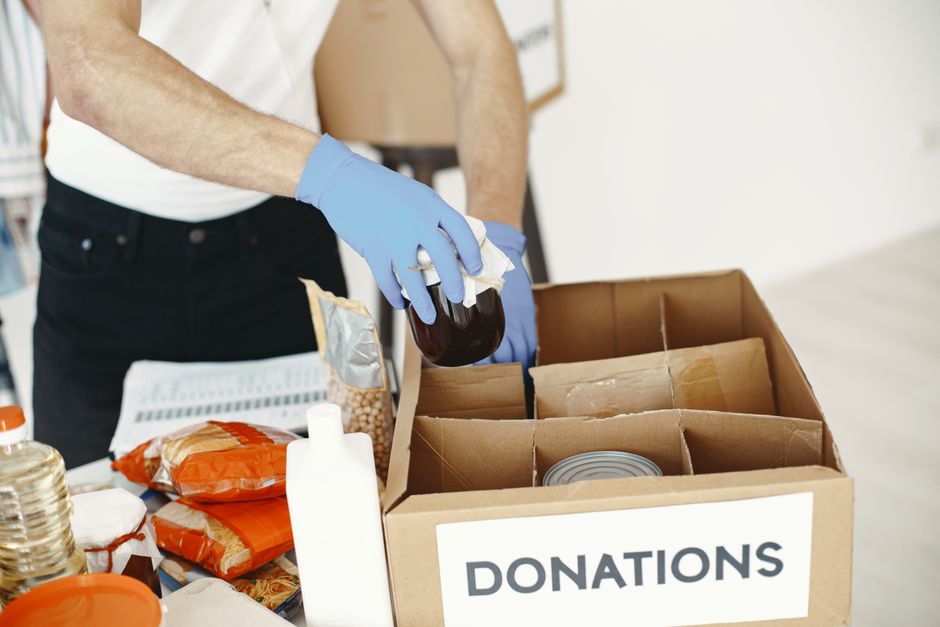
Workplace giving and employee engagement — including matching gift programs and volunteer time off for animal causes — are themselves a form of corporate partnership, letting a company support a rescue through its own workforce rather than only through direct company donations. This kind of partnership often builds deeper, longer-lasting engagement than a one-time check.

Minimum Commitments and Formal Agreements
Some cause-marketing partnerships do require a minimum annual donation commitment, sometimes around $25,000, and formal charitable sales promotions typically need a signed cause-marketing agreement between the nonprofit and the company. This level of formality tends to apply to larger, ongoing brand partnerships rather than a single event sponsorship, which usually just needs a simple agreement or letter confirming the arrangement.

Smaller Businesses Can Participate Too
- Sponsor a specific fundraising event rather than an ongoing annual commitment
- Donate raffle or auction prizes — gift cards and services are easy, low-cost contributions
- Offer in-kind services, like printing, photography, or venue space
- Match employee donations informally, even without a formal corporate matching program
For a rescue reaching out to a potential local partner, identifying a specific, mutually relevant opportunity — a seasonal campaign, a single event, or a product tie-in — tends to land far better than a generic ask for financial support.
Building a Long-Term Corporate Relationship
The most durable corporate partnerships tend to grow out of a single successful engagement rather than being negotiated as a multi-year commitment from the start. A business that sponsors one event, has a good experience, and sees genuine value in the association is far more likely to say yes to a bigger ask the following year than a company approached cold with a large, open-ended proposal. Treating a first sponsorship as the opening move in a longer relationship — following up with a thank-you, sharing the actual impact of their contribution, and staying in touch between asks — meaningfully increases the odds of that partnership growing over time.
Regular, low-pressure check-ins between formal asks also keep a rescue on a company’s radar when new opportunities come up internally, such as a corporate giving budget being set for the following fiscal year.
Measuring the Impact of a Partnership
Both sides of a corporate partnership benefit from clear, agreed-upon metrics — dollars raised, cats placed, volunteer hours contributed, or social media reach generated by a joint campaign. Sharing these numbers back with a corporate partner after an event or campaign closes gives them something concrete to report internally, which matters for their own decision-makers evaluating whether to continue the relationship.
A rescue that can clearly show a partner exactly what their support accomplished — not just a generic thank-you, but real numbers — has a significant advantage when it comes time to renew or expand that partnership the following year.
Approaching a Company for the First Time
When reaching out cold, research the company’s existing community involvement first — a business already sponsoring local youth sports or a food bank has demonstrated it values this kind of community presence, making it a more receptive target than a company with no visible local giving history at all. Leading with a specific, low-commitment ask, like sponsoring a single upcoming event rather than an ongoing annual partnership, also makes it easier for a business to say yes the first time around.
What Makes a Partnership Feel Genuine
The strongest corporate partnerships tend to feel like a real fit rather than a purely transactional exchange — a pet supply store, veterinary practice, or dog-friendly restaurant sponsoring a cat rescue makes intuitive sense to customers in a way a completely unrelated business might not. When possible, seeking out businesses with some natural connection to animals or the local community gives a partnership more authentic staying power than one built purely around a marketing opportunity.
Starting the Conversation
A short, specific email or phone call outlining exactly what you’re proposing — one event, a defined ask, and what the company gets in return — is far more likely to get a response than a vague general inquiry about “partnership opportunities.”
Frequently Asked Questions
What partnership models do animal rescues typically offer companies?
Cause-related partnerships, event sponsorships, workplace giving and employee engagement programs, licensing, in-kind partnerships, and corporate foundation giving — a range that scales from a single event sponsorship to an ongoing brand relationship.
What does a company get out of sponsoring an animal rescue?
Positive publicity for supporting the mission, plus promotion across the nonprofit’s campaign assets, newsletters, website, and social media — a real marketing benefit alongside the goodwill, and one that can help with employee recruitment and retention too.
Is there a typical minimum commitment for a cause-marketing partnership?
Some partnerships require a minimum annual donation commitment around $25,000, and charitable sales promotions typically require a signed cause-marketing agreement between the nonprofit and the company — but this level of formality applies mainly to larger, ongoing brand relationships.
Can a small local business partner with a rescue too?
Yes — sponsorship doesn’t require a $25,000-level commitment. Smaller local businesses commonly sponsor specific events, donate raffle prizes, or provide in-kind services at a scale that fits their size and budget.
How does a rescue typically approach a potential corporate partner?
Usually by identifying a specific, mutually relevant opportunity — a seasonal campaign, an employee volunteer day, or a product tie-in — rather than a generic ask for money, which tends to land better with a business’s own marketing goals.
Interested in Partnering With Us?
Cats By The Tracks welcomes corporate partners of any size in the Fresno and Central Valley area.