
That small notch at the top of a community cat’s ear isn’t an injury — it’s a deliberate, standardized surgical marker, and understanding it changes how you should respond when you see one out in the world.
What Ear-Tipping Actually Is
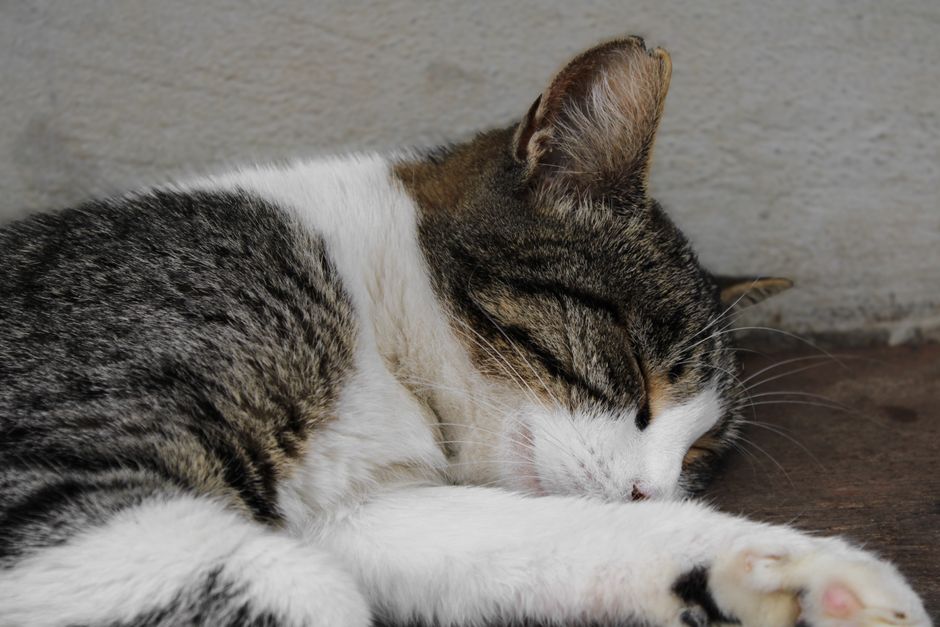
Ear-tipping is a surgical procedure performed under anesthesia by a veterinarian, removing the distal one-quarter of a cat’s left ear — approximately 3/8 inch (1 cm) in an adult cat, proportionally smaller in a kitten. It’s a small, precise, and deliberate mark, not an accidental injury or the result of a fight with another cat.
How and When It’s Done
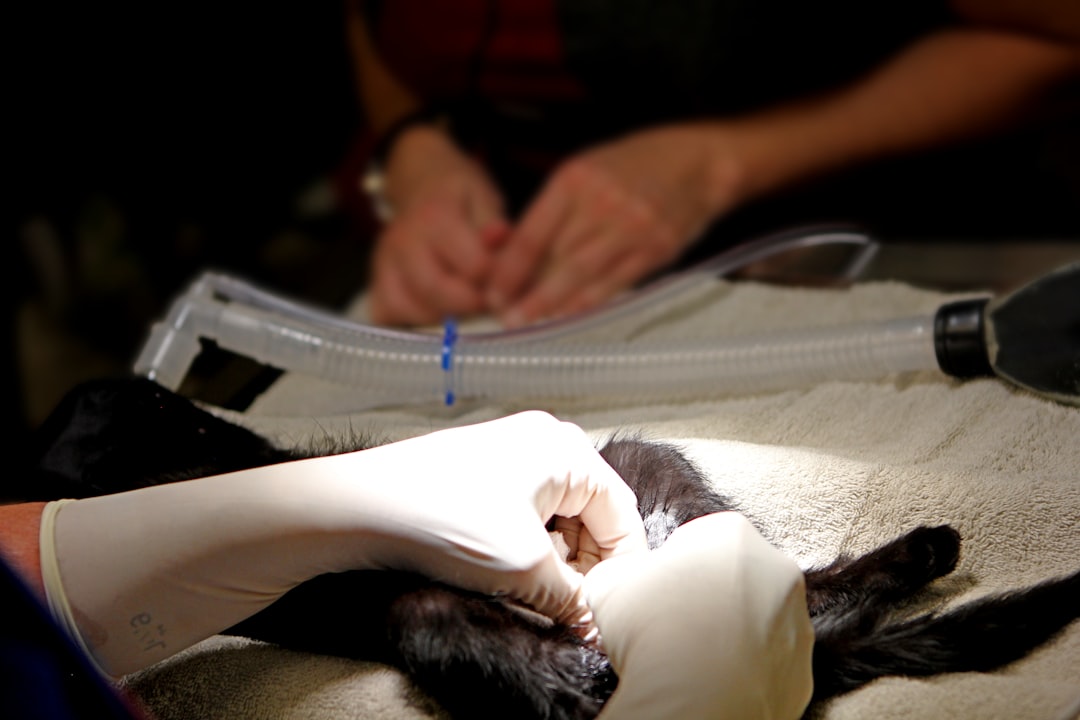
Ear-tipping always happens under general anesthesia, at the same time as the spay or neuter surgery — never as a separate procedure requiring its own sedation. A veterinarian removes just the tip of the left ear with a clean, straight cut. Ear tissue has a relatively simple blood supply at the tip, so healing is quick, typically without significant swelling or discomfort during recovery.

Why Vets Do This at All
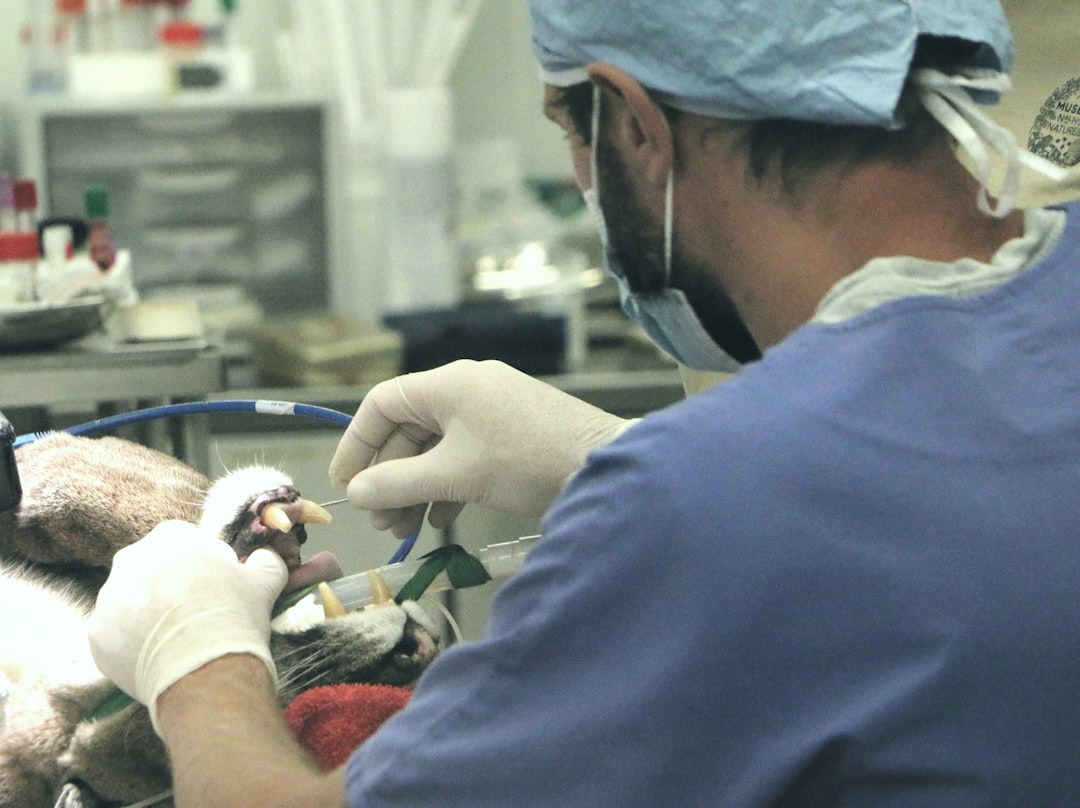
The tip serves one specific purpose: identifying a TNR cat from a distance, without needing to catch or handle it again. It’s the universally accepted signal that a community cat has already been spayed or neutered — meaning no new kittens will result — and, where required, vaccinated at least once for rabies. Trappers, caretakers, and animal control officers can all read this signal instantly, from across a yard or parking lot, without any specialized equipment or a second trapping attempt.

This is exactly why our guide to trapping a cat for TNR stresses checking for an ear tip before doing anything else — a tipped cat should simply be released, not re-trapped and put through unnecessary surgery again.
Is It Safe?
Ear-tipping is extremely safe. Since it’s performed while the cat is already anesthetized for spay/neuter surgery, there’s no additional sedation risk, little or no bleeding, and no pain experienced by the cat during the procedure itself. Recovery is quick, and most cats show no lasting behavioral change tied to the ear itself.


Why Not a Collar or Microchip Instead?
A collar can fall off, and a microchip requires physically catching and scanning the cat to check — neither works for the core purpose here, which is identification from a real distance without ever needing to touch the cat again. Ear-tipping solves exactly that problem, permanently and visibly, in a way no other identification method can match for an animal that actively avoids human contact.
What to Do When You See an Ear-Tipped Cat
- Leave it alone — a healthy, ear-tipped cat has already been through TNR and is being managed as part of a colony
- Don’t assume it’s a stray needing rescue, even if it looks thin or scruffy — many community cats look this way naturally
- If it appears sick or injured despite the ear tip, see our guide to what to do for a sick or injured community cat
How Ear-Tipping Fits Into the Bigger TNR Picture
Ear-tipping only matters because TNR itself is a colony-level strategy, not a one-cat-at-a-time fix. A colony where every cat is sterilized and ear-tipped stabilizes in size over time, since no new kittens are being born into it — and the visible ear tip lets caretakers, animal control, and even well-meaning strangers instantly recognize which cats are already part of that managed, stable population. Without the marker, every cat in a colony would need to be re-trapped and checked before anyone could be confident it had already been altered, which would make ongoing colony management dramatically more labor-intensive.
This is also why ear-tipping is considered the international standard rather than a regional convention — a caretaker moving to a new city, or a rescue coordinating across county lines, can rely on the same visual signal meaning the same thing everywhere, which matters enormously when TNR programs frequently involve volunteers and organizations that didn’t personally trap or treat a given cat.
Common Misconceptions About Ear-Tipping
A frequent misconception is that a notched ear signals a fight injury or a health problem, prompting well-meaning bystanders to try to trap or rescue a cat that’s already being responsibly managed. Another common misunderstanding is that ear-tipping is done as a separate, elective procedure — in reality, it’s always performed during the same anesthesia used for spay/neuter, never scheduled on its own, which is part of why it’s considered such a low-risk addition to standard TNR surgery.
Understanding these two points — that the notch is intentional, and that it always accompanies sterilization — helps explain why the right response to seeing an ear-tipped cat is almost always to simply leave it alone rather than intervene.
What to Do If You Find an Ear-Tipped Kitten
Occasionally an ear-tipped cat is found nursing kittens, which raises a genuine question about whether it’s still safe to leave the family alone. In most cases, yes — an ear-tipped mother is already part of a managed colony, and a local caretaker or TNR organization is often already aware of the litter and monitoring it. Before intervening, it’s worth checking with any known caretaker in the area rather than assuming the kittens need immediate rescue, since removing them from a healthy, nursing mother too early can do more harm than leaving them be for a few more weeks.
Frequently Asked Questions
Exactly how much of the ear is removed?
The distal one-quarter of the cat’s left ear — about 3/8 inch (1 cm) in an adult, proportionally smaller in a kitten. It’s a small, precise amount, deliberately calibrated to be visible without meaningfully affecting the cat’s hearing or balance.
Which ear gets tipped?
The left ear is the standard convention in most programs, though some use the right, and in rare cases the trapper or clinic decides based on local practice. Consistency within a region matters more than which specific ear is chosen.
Does ear-tipping hurt the cat?
No — it’s performed while the cat is already under general anesthesia for spay/neuter surgery, with little to no bleeding, and it isn’t painful during or immediately after the procedure.
Why not just use a collar or tag instead of ear-tipping?
Ear-tipping is visible from a real distance without needing to catch or handle the cat again, which matters enormously for cats that are otherwise nearly impossible to approach safely a second time. A collar can fall off; an ear tip cannot.
Can ear-tipping be reversed or does it grow back?
No — it’s a permanent, deliberate marker, and that permanence is exactly the point. A temporary sign would defeat the purpose of long-term, distance-based identification.
See an Ear-Tipped Cat Near You?
That cat has already been through TNR — leave it be, and reach out if you have questions about a different cat that needs help.