
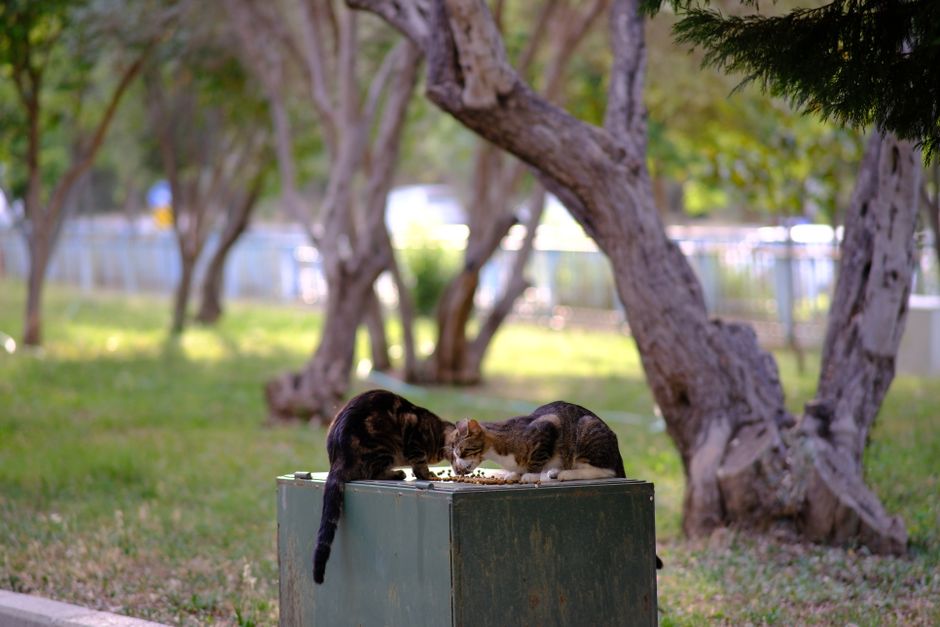
A feeding station that’s placed and built well makes a real difference in a colony’s health and safety — and in how sustainable the whole caretaking effort is for you. Here’s what actually works.
Location Matters More Than People Expect
Per community cat feeding guidelines, stations should be hidden from public view, protected from the elements, away from high-traffic areas, and not too close to where cats sleep or use the bathroom. A low-profile station that blends into its surroundings helps cats feel safe enough to actually eat there.
Keeping It Weatherproof
A simple, cheap way to keep a feeding station dry is tipping a large rectangular storage bin on its side and placing the food bowls inside — enough to fit at least one cat comfortably so it doesn’t have to eat out in the rain.
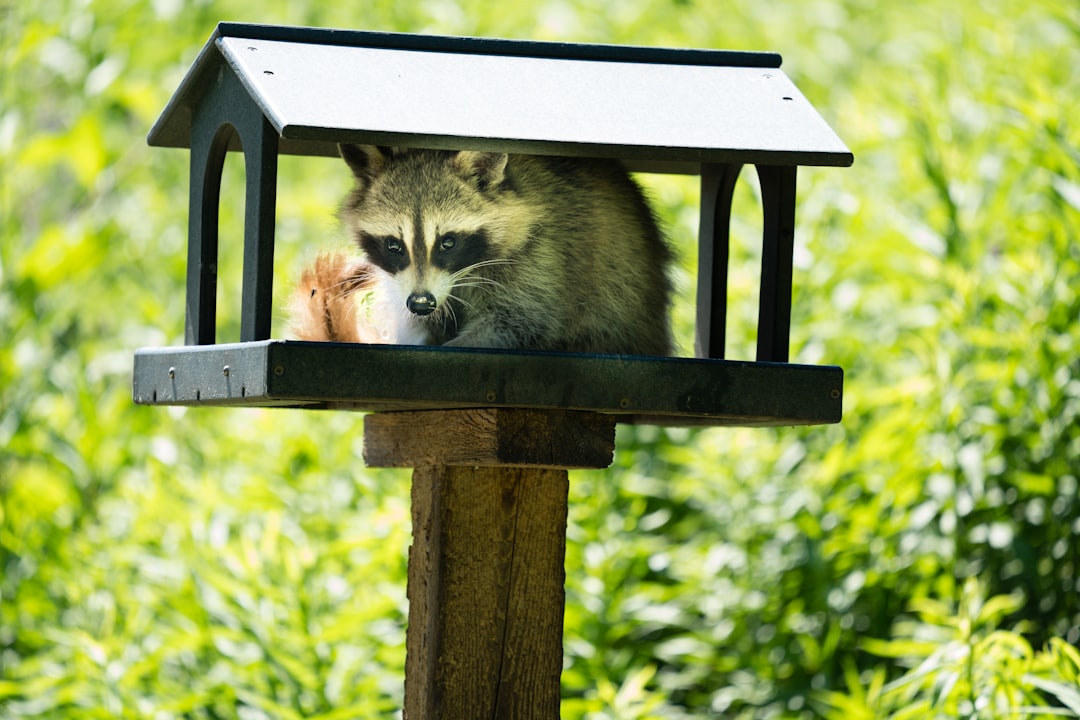
Keeping Wildlife Out
Raccoons and opossums are a real concern at any outdoor feeding station. Elevating the station at least 6 feet up on a smooth post, fitted with a skirt of aluminum flashing, can deter animals that can’t jump vertically that high — a low-cost, effective barrier.
Feeding Schedule
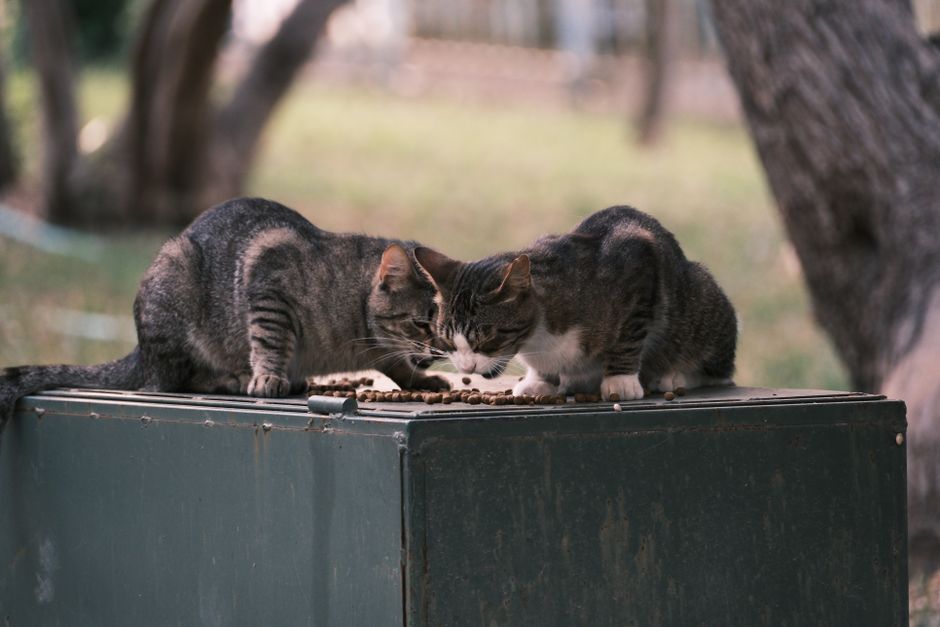
- Feed at the same place and time every day — consistency matters more than any single feeding time
- Daybreak or dusk are typically the best windows, since cats are naturally active then
- Feed during daylight hours rather than overnight, to avoid attracting other wildlife
- Remove uneaten food after about 30 minutes rather than leaving it out all day
Monitoring the Station
Periodically checking the feeding area for signs of wildlife activity or other issues helps catch problems early. Motion-activated trail cameras are a low-effort way to see exactly what happens at the station when you’re not there watching.
This Is Part of a Bigger Responsibility
A well-run feeding station is one piece of a much larger set of colony caretaking responsibilities — see our full guide to becoming a community cat colony caretaker for the complete picture, including medical care and getting permission from a property owner.
Choosing the Right Bowls and Containers
Disposable options like paper plates work fine for a small colony and simplify cleanup, but for larger or long-term stations, durable, easy-to-clean plastic or stainless steel bowls hold up better over repeated use and are less likely to blow away or get knocked over by wind or wildlife. Whichever you choose, a quick rinse or wipe-down between feedings helps prevent the buildup of mold or pests that can otherwise develop in a station that’s used daily.
Handling Multiple Cats at One Station
If a colony is large enough that cats compete for space at a single feeding point, consider setting up two or three smaller stations spread across the territory rather than one large one. This reduces tension between cats during feeding, lets more timid colony members eat without being crowded out by more assertive ones, and makes it easier to notice if a specific cat is eating less than usual — a potential early sign of illness.
Seasonal Adjustments to Feeding Stations
Summer heat means water becomes just as important as food — check and refresh water bowls more frequently, and consider placing water in shaded spots that won’t heat up in direct sun. Winter calls for the opposite adjustment: slightly more food to help cats maintain body heat, along with the insulated shelter setup covered in our guide to building a winter shelter for outdoor cats, ideally placed near the same feeding station so cats associate the area with both food and warmth.
Working With Neighbors on Station Placement
Even a well-hidden feeding station can draw complaints if a neighbor notices cats congregating nearby, so it’s worth thinking through placement with neighborly relations in mind, not just cat safety. Choosing a spot on your own property, or one where you’ve already secured permission, away from a shared fence line or a neighbor’s garden, tends to prevent tension before it starts. A friendly, upfront conversation about your caretaking efforts is often enough to head off concerns before they escalate to a call to animal control.
Multiple Feeding Stations for a Larger Territory
If a colony’s territory spans a larger area — say, across an alley, a parking lot, or several adjoining yards — a single central feeding station may not be practical or safe for every cat to reach consistently. In these cases, coordinating with other caretakers, if any exist, to establish a few smaller stations spread across the territory reduces how far any individual cat needs to travel and lowers the risk of cats crossing busy roads or unsafe areas just to reach food.
Recordkeeping Alongside Feeding
Pairing your feeding routine with simple observational notes — which cats showed up, any changes in appearance or behavior, new arrivals — turns a daily chore into an ongoing health-monitoring system for the colony. This kind of lightweight recordkeeping is exactly what lets a caretaker catch an illness, injury, or new unaltered cat early, well before it becomes a bigger problem to manage.
Sourcing Supplies Affordably
Building and maintaining a feeding station doesn’t need to be expensive — check with local hardware stores or big-box retailers for damaged or discontinued storage bins sold at a discount, and ask local TNR organizations whether they maintain a supply fund or donation program for exactly this purpose. Many caretakers also find that once neighbors understand the effort involved, they’re willing to chip in for supplies or even help with occasional feeding shifts.
A little planning up front makes a feeding station something you can maintain reliably for years, rather than a quick fix that falls apart the first time weather or wildlife tests it.
Frequently Asked Questions
Where should a feeding station be placed?
Somewhere hidden from public view, protected from weather, away from high-traffic areas, and not too close to where cats sleep or use the bathroom.
How do I keep a feeding station dry?
A simple approach is tipping a large rectangular storage bin on its side and placing food bowls inside — it creates a covered, weatherproof space cheaply.
How do I keep raccoons and opossums out of a feeding station?
Elevating the station at least 6 feet up on a smooth post, fitted with a skirt of aluminum flashing, can deter animals that can’t jump vertically that high.
What’s the best time of day to feed community cats?
Daybreak or dusk — cats are naturally up and active at these times, and feeding during daylight hours (not overnight) helps avoid attracting other wildlife.
Caring for Cats in Your Neighborhood?
Cats By The Tracks can help connect you with TNR and caretaking resources in the Central Valley.