

Most people default to donating money when they want to help a cat rescue, and that’s genuinely valuable — but shelters also run through an enormous volume of everyday supplies that rarely make it into fundraising appeals. Here’s what actually moves the needle.
Money Still Tops the List
Per shelter wish list guidance, financial donations sit at the top of almost every rescue’s needs, since money can go exactly where it’s needed most in a given week — whether that’s an unexpected vet bill or a food shortage — rather than sitting as inventory that may not match current demand.
Food and Everyday Supplies
- Cat and kitten food — dry or wet, any reputable brand
- Canned tuna and peanut butter, often used to administer medication or as high-value treats
- Cat litter, always in steady demand
- Meat-based baby food, sometimes mixed into food for picky or recovering cats
Bedding and Comfort Items
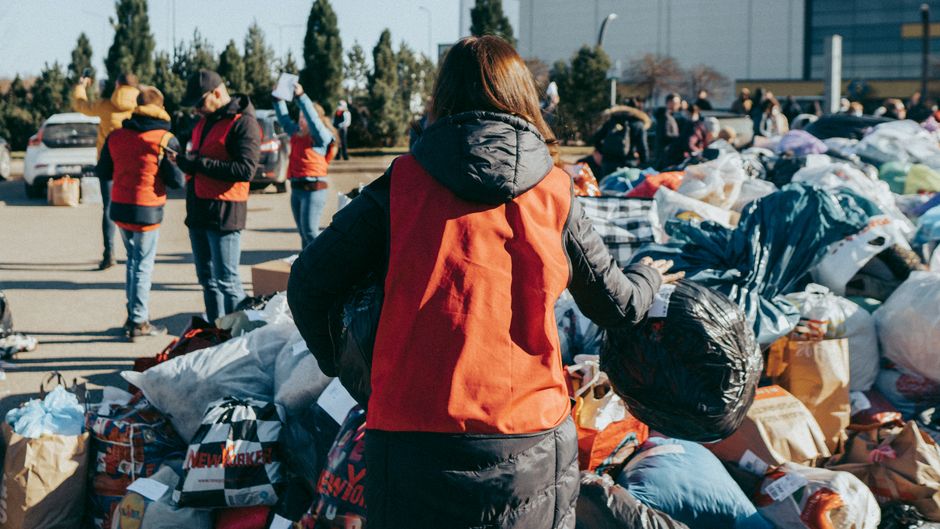
Blankets are needed constantly, both for bedding and warmth. Clean, gently used sheets and towels — free of holes — are also almost always accepted, and are one of the easiest things to donate since most households already have some to spare.
Cleaning Supplies
Shelters go through cleaning supplies at a volume most people underestimate: bleach, dish soap, disinfecting wipes, laundry detergent, paper towels, garbage bags, and mops, sponges, and rubber or latex gloves are all consistently needed.

Toys and Enrichment
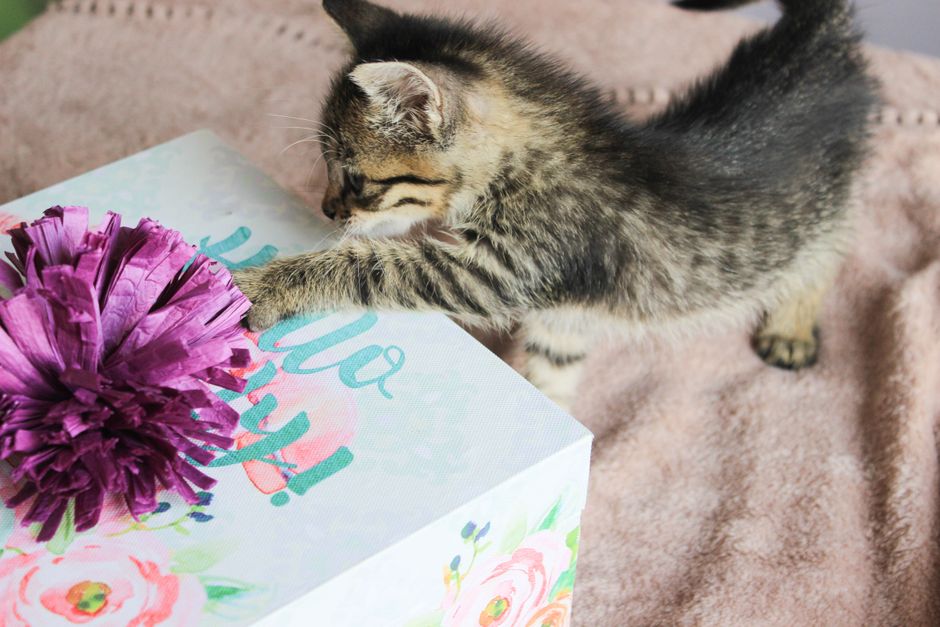
Washable toys — ones that can be laundered or wiped down with disinfectant between uses — help keep cats mentally stimulated during what can otherwise be a stressful shelter stay.
The Easiest Way to Give the Right Thing
Most shelters maintain a Chewy or Amazon wish list specifically so donors can buy exactly what’s currently needed and have it shipped directly — no guessing, and no risk of donating something the shelter can’t use. Check your local rescue’s specific wish list before buying blind, since needs shift week to week.
Quick Wish List Checklist
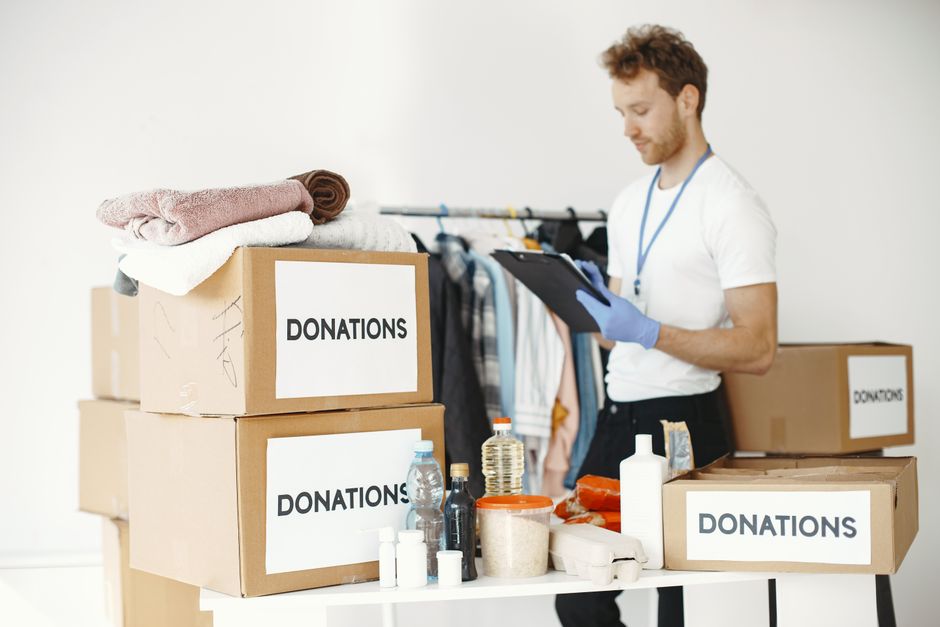
- Cat/kitten food (dry or wet)
- Cat litter
- Clean blankets and towels (no holes)
- Cleaning supplies: bleach, dish soap, disinfecting wipes, paper towels
- Washable toys
- Gift cards to pet supply stores
- Monetary donations — always useful
Why In-Kind Donations Genuinely Matter
It’s easy to assume a physical item donation is a lesser form of giving compared to cash, but for a rescue running on a tight budget, a donated case of litter or a stack of clean towels frees up real money that would otherwise have gone toward that exact purchase. Every supply item donated directly is effectively a dollar-for-dollar savings the rescue can redirect toward something that can’t be donated in kind, like veterinary care.
Seasonal and Time-Sensitive Needs
Wish lists shift throughout the year in ways that are easy to miss if you’re not checking regularly. Kitten season drives up demand for kitten-specific formula, bottles, and heating pads, while summer heat increases the need for cooling mats and extra water bowls. Checking a rescue’s current wish list before donating, rather than assuming last year’s needs still apply, ensures your contribution actually matches what’s needed right now.
Organizing a Donation Drive
If you want to make a bigger impact than an individual donation, consider organizing a small collection drive through a workplace, school, or neighborhood group — sharing a rescue’s specific wish list with a wider circle of people tends to produce a genuinely useful haul of exactly the items needed, rather than a random assortment of pet products people happened to have lying around.
Items Most Shelters Actually Turn Away
Not everything well-intentioned donors bring is actually usable, and knowing what to skip saves everyone time. Opened bags of food, used cat litter, stained or torn bedding, and expired medications or supplements are typically declined for health and safety reasons, even though the instinct to donate them is a generous one. Calling ahead or checking a shelter’s specific donation guidelines before dropping off a larger haul avoids the awkward situation of arriving with items that ultimately can’t be accepted.
Similarly, secondhand cat carriers and crates are often welcome, but only if they’re in good structural condition — a carrier with a broken latch or a compromised frame can actually pose a safety risk during transport, which is worth checking before donating rather than assuming any carrier is better than none.
Non-Item Ways to Support a Rescue’s Supply Needs
If shopping for specific items feels overwhelming, gift cards to pet supply stores or general retailers let a rescue’s own staff or volunteers purchase exactly what’s needed that week, combining the flexibility of a cash donation with the tangible feel of a physical gift. This is a genuinely useful middle-ground option for donors who want their contribution to go toward supplies specifically, without the risk of donating something that doesn’t quite match current need.
Coordinating a Drop-Off
Before dropping off a larger donation, a quick call or email to confirm current drop-off hours and any specific intake procedures saves a wasted trip — smaller, volunteer-run rescues in particular may not have a staffed physical location the way a larger shelter does, and coordinating ahead of time ensures someone is actually available to receive the donation. This small extra step also gives the organization a chance to flag if they’re already fully stocked on a specific item, redirecting your contribution toward something more immediately useful instead, which matters especially around the holidays when donation volume tends to spike all at once.
Whatever you choose to give, remember that consistency matters more than size — a small, regular donation of supplies over time is often more useful to a rescue’s planning than a single large one-off contribution.
Frequently Asked Questions
Is money really more useful than physical donations?
Financial donations top most shelters’ wish lists because they can be directed exactly where the need is greatest that week — vet care, food, or supplies — rather than sitting in inventory that may not match current need.
Can I donate through a shelter’s Amazon or Chewy list?
Most shelters maintain a Chewy or Amazon wish list specifically so supporters can buy exactly what’s needed and have it shipped directly, which saves the shelter both money and staff time.
Do shelters accept used blankets and towels?
Yes, generally — clean, gently used sheets, towels, and blankets free of holes are almost always welcome for bedding.
What household items can double as shelter donations?
Items many people already have on hand — old towels, unopened cleaning supplies, unused pet carriers — can be donated rather than thrown away or left unused.
Want to Support Cats By The Tracks?
We’re a 501(c)(3), foster-based cat rescue serving Fresno and the Central Valley.