
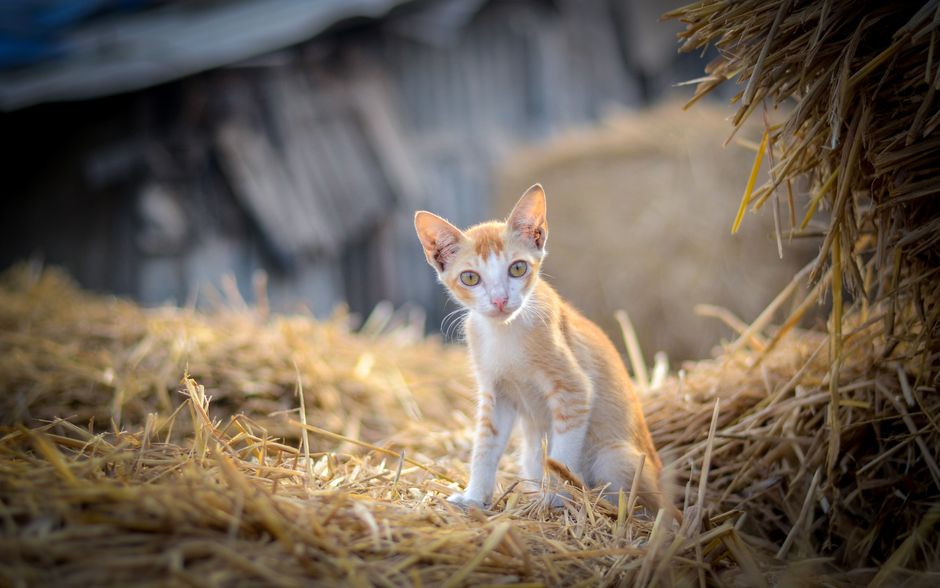
Not every cat that comes through a shelter door can become someone’s house cat — and that’s not a failure on the cat’s part. Barn cat and working cat programs give unsocialized and feral cats a real, humane alternative, and they’re a bigger part of shelter operations than most adopters realize.
Why These Programs Exist
Barn cat programs (sometimes called working cat or farm cat programs) developed as a humane alternative for cats that simply cannot thrive as indoor pets. Rather than euthanizing these cats or returning them to an unmanaged, unsafe outdoor environment, shelters place them in settings where they can live out full lives with real purpose.
Which Cats Qualify
These are feral, semi-feral, or otherwise unsocialized cats — animals with unsafe or unmanageable behavior around people that makes traditional adoption unrealistic. Many of these cats can’t even be safely handled once caged in a shelter, not because they’re aggressive by nature, but because they were simply never socialized to humans in the way a house cat or even a friendly stray typically was.
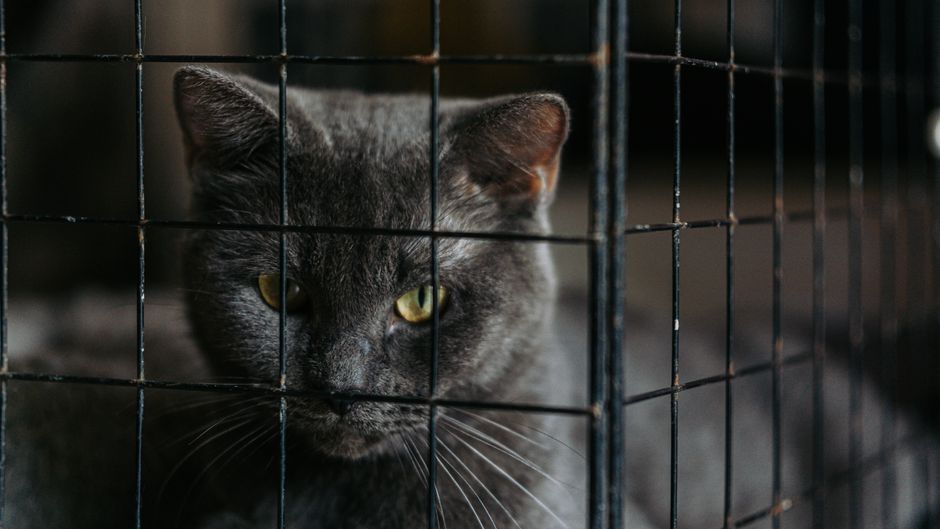
See our guide on the difference between feral, stray, and community cats for more on why some cats fall into this category in the first place.
Where Working Cats Actually Go
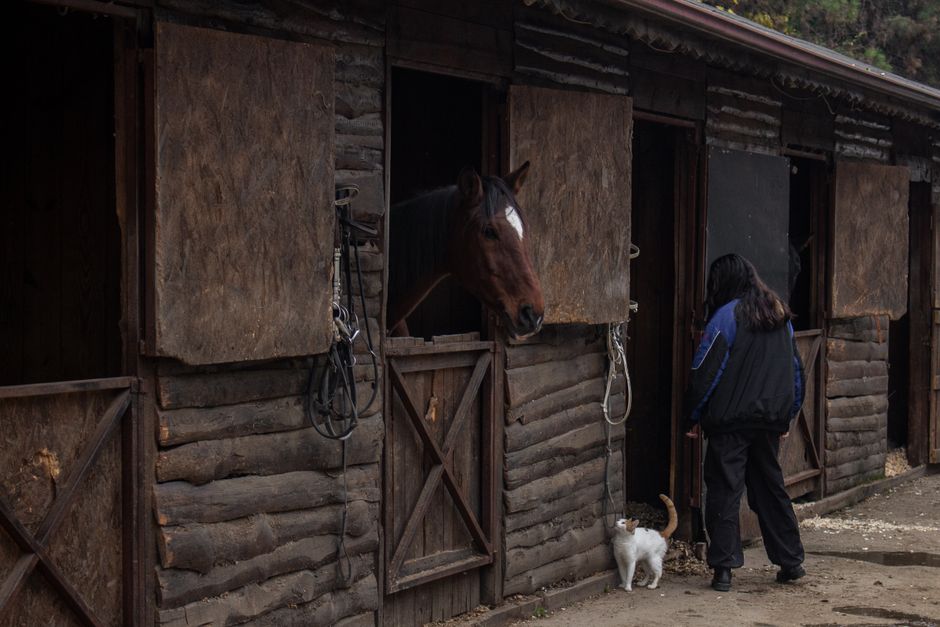
- Barns and stables
- Warehouses and storage facilities
- Wineries, breweries, and greenhouses/garden centers
- Auto repair shops and woodworking shops
- Churches and similar low-traffic properties

These are functionally eco-friendly, chemical-free rodent control — a genuinely useful role for a cat that would otherwise have very limited placement options.
What Hosting a Working Cat Requires
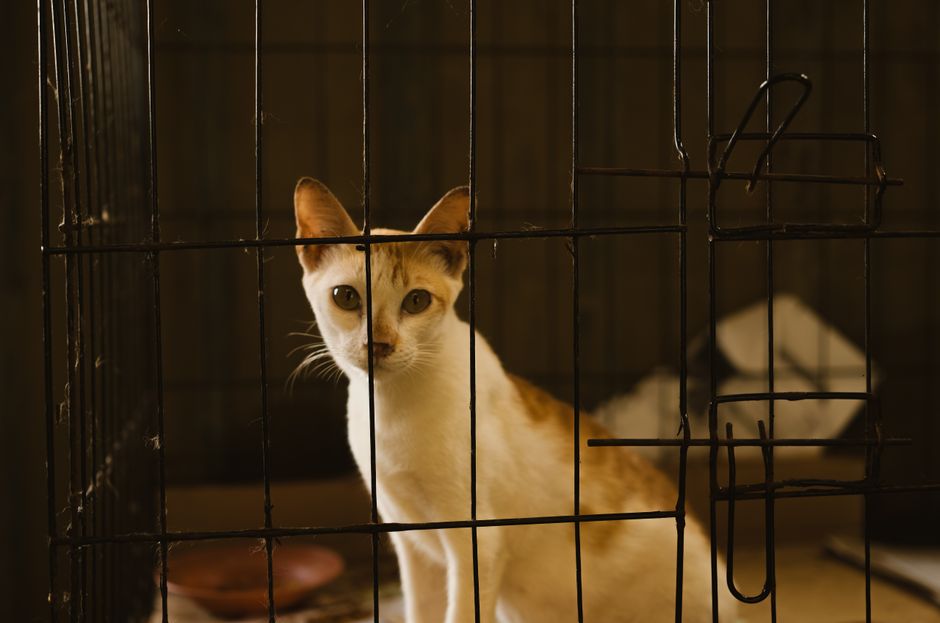
Anyone taking on a working cat needs to provide ongoing shelter, food, water, and basic vet care. New arrivals typically need to be confined to an escape-proof space — a tack room, garage, or large dog crate — for three to four weeks while they acclimate, with daily feeding, watering, and litter cleaning, plus a hiding spot during that adjustment period.
What’s Already Been Done Before Placement
Reputable barn cat programs place cats that are already spayed or neutered, current on vaccinations, microchipped, dewormed, treated for fleas, and examined by a veterinarian. The host isn’t taking on an unaltered, unmanaged cat — just one that needs an outdoor-appropriate home rather than an indoor one.
Is a Working Cat Right for Your Property?
- You have a barn, stable, warehouse, or similar low-traffic structure with some shelter from weather
- You can commit to daily food, water, and basic care long-term
- You have a rodent or pest issue that a cat could genuinely help with
- You can provide 3–4 weeks of confined acclimation before giving the cat full run of the property
Why This Beats the Alternative
Before barn cat programs became common, unsocialized cats that couldn’t be placed as house pets had genuinely limited options — often euthanasia, simply because a shelter had no other realistic outcome to offer. A working cat placement gives these same cats a real chance at a full life doing something naturally useful, in an environment that actually suits their temperament rather than forcing them into a role they were never going to succeed at.
Building Trust Over Time
Even a fully feral working cat often becomes more comfortable around its specific caretaker over months or years, even if it never becomes a lap cat in the traditional sense. Many barn cat hosts report their cats eventually approach at feeding time, or tolerate being nearby during chores, even though the cat remains wary of strangers — a genuine, if different, kind of bond than what develops with a typical house cat.
Costs to Expect as a Host
Hosting a working cat is considerably cheaper than owning a typical house cat, since there’s no litter box to maintain and food costs are often lower with a simple daily kibble routine. Budget mainly for food, occasional veterinary care if the cat needs it, and the modest cost of a proper shelter structure if your property doesn’t already have adequate cover from weather.
How to Find a Barn Cat Program Near You
Most animal shelters and rescue organizations, even ones without a formally named “barn cat program,” will know whether one exists in your area or can place unsocialized cats through an informal working-cat arrangement. Rural cooperative extension offices and local farming associations sometimes also maintain lists of cats needing placement, since the need for natural rodent control on agricultural properties is a recurring one. Reaching out directly and describing your property’s specific setup — a barn, a warehouse, a large garden — is usually the fastest path to finding a suitable cat or program.
It’s also worth asking whether the program can place more than one cat if you have a genuinely large space to manage, since a pair of cats that already know each other often settles in and starts working faster than a single newly placed cat adjusting entirely on its own.
A Realistic Look at the Adjustment Period
Even with the confinement period described earlier, expect a working cat to take real time — often several weeks to a few months — before it fully settles into its new territory and begins reliably patrolling for rodents. Some cats adjust faster than others depending on individual temperament, and a small number never fully take to a new location and may need to be relocated again. This isn’t a sign of failure on the host’s part; it simply reflects that even a working cat placement is still a real adjustment for an animal that’s had to build trust in an entirely new environment.
Frequently Asked Questions
What kind of cats end up in barn cat programs?
Feral, semi-feral, or otherwise unsocialized cats that can’t safely live as typical indoor pets — often cats that can’t be handled at all once caged in a shelter environment.
Where do working cats typically get placed?
Barns, stables, warehouses, wineries, breweries, garden centers, auto repair shops, and similar spaces where rodent control is genuinely useful and the cat can roam safely.
Do working cats come already spayed or neutered?
Yes — reputable programs place cats that are already spayed or neutered, vaccinated, microchipped, dewormed, treated for fleas, and examined by a veterinarian before placement.
How long does a new working cat need to be confined before roaming freely?
Typically 3–4 weeks in an escape-proof space like a tack room, garage, or large dog crate, so the cat has time to acclimate to its new surroundings before being given full access.
Interested in Hosting a Working Cat?
Reach out to Cats By The Tracks to ask about barn cat placement in the Fresno and Central Valley area.