
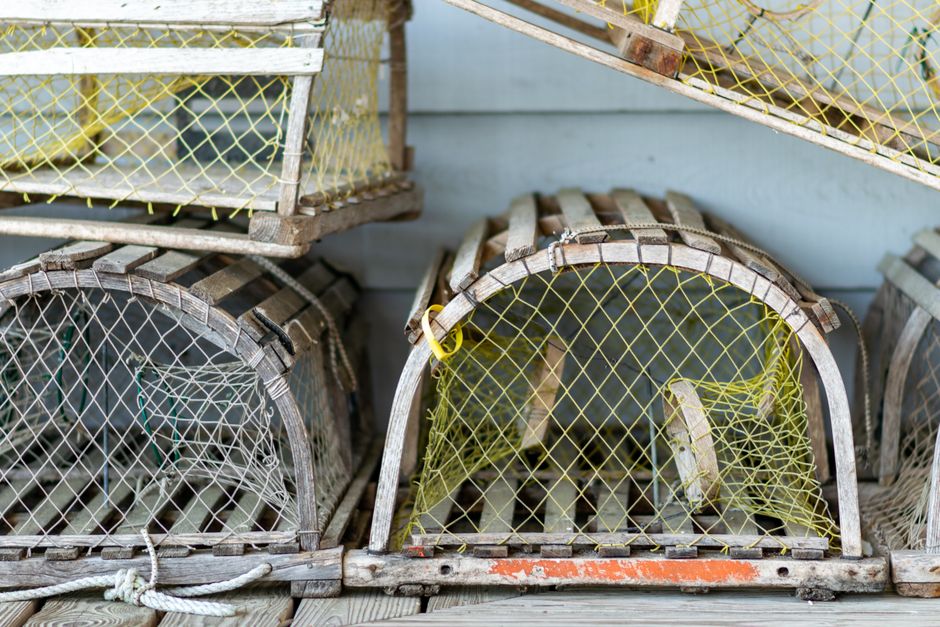
Trap-neuter-return only works if the trapping itself goes smoothly — a stressed, injured, or escaped cat sets the whole effort back. Here’s the process real TNR programs use, from prep work through release.
Before You Trap: Call Ahead
Per Havahart’s trapping guidance, your first calls should be to your local humane society to check trapping laws in your area, and to locate a free or low-cost TNR clinic that can handle the surgery once a cat is caught. Trapping without a confirmed clinic slot first just means an unnecessarily stressful wait for the cat.
Pre-Trapping: Build a Feeding Routine
One to two weeks before you plan to trap, feed the cat at the same time and place every single day, and keep water available. This reliability means the cat is far more likely to be exactly where you expect when the actual trap goes down. For especially wary cats, feed them out of an unset, open trap for a few days first so the trap itself stops being scary before it’s actually armed.

Setting the Trap
- Line the bottom of the trap lightly with newspaper to protect the cat’s paws
- Bait with strong-smelling wet food — tuna in oil or sardines work well
- Place about one tablespoon at the very back of the trap, with a little bait juice drizzled along the floor toward the entrance to draw the cat all the way in
- Set traps on flat, stable ground in a quiet, hidden area — if using multiple traps, stagger them and face them different directions
While You Wait
Move quietly, stay relaxed, and don’t hover directly next to the trap — cats are unlikely to enter if they can see or sense you standing close by. Check traps frequently, but from a distance, so a cautious cat isn’t scared off right as it’s about to go in. Traps should never be left completely unattended for long stretches.

Once a Cat Is Caught
Cover the trap immediately with a blanket or towel once a cat is inside — an uncovered, visible cat is far more likely to panic and injure itself trying to escape. Before anything else, check the ears: if one is tipped, this cat has already been through TNR and should be released right back where it was caught, not brought in for a repeat surgery.
See our guide to the difference between feral, stray, and community cats if you’re not sure whether the cat you’ve trapped is actually a good TNR candidate versus a lost pet that might be reunited with an owner instead.
After Surgery: Recovery and Release
Cats typically need a short recovery period after spay/neuter surgery before being released back to the exact location they were trapped — moving a community cat to a new territory disrupts the established colony structure and can put the cat at a real disadvantage. Most TNR clinics will provide clear guidance on how long to hold the cat post-surgery before release.

Common Mistakes to Avoid
- Trapping before confirming a clinic appointment — leads to unnecessary extra time in the trap
- Skipping the pre-feeding routine — makes actual capture far less predictable
- Leaving traps unattended for long periods
- Handling a feral cat directly by hand, even when it seems calm
- Releasing a recovering cat somewhere other than its original territory
Trapping Multiple Cats in the Same Colony
When a colony has several unaltered cats, plan to trap over multiple sessions rather than expecting to catch every cat at once. Cats that watch another cat get trapped often become wary of traps for a while afterward, so spacing sessions out by a few days, and rotating trap locations slightly, tends to work better than a single all-at-once attempt. Keep a simple written log of which specific cats have been trapped and altered already, especially in a larger colony, so you don’t accidentally re-trap and stress a cat that’s already been through the process.
Weather and Timing Considerations
Avoid trapping during extreme heat or cold, since a cat left in a trap for even a short time is more vulnerable to temperature stress than one that’s free to move to shelter. Early morning or early evening trapping sessions, when temperatures are milder and cats are naturally more active anyway, tend to produce both better results and safer conditions for the cat.
What Clinics Typically Provide
Most TNR clinics handle more than just the spay/neuter surgery itself — expect a rabies vaccination, a general health check, ear-tipping, and sometimes basic flea treatment or deworming bundled into the same visit. Ask your specific clinic in advance exactly what’s included, since this varies, and it affects how you should plan for recovery time before release.
Nursing Mothers and Kittens
If you trap a nursing mother, it’s important to locate and trap her kittens as well before her surgery, since separating a lactating mother from her litter for too long can cause real complications for both. Many TNR clinics will hold a nursing mother briefly post-surgery so she can be reunited with kittens quickly, or coordinate a short delay in the spay procedure itself — ask your clinic directly how they handle this situation before you trap a suspected nursing mother.
Frequently Asked Questions
What should I use as bait in a humane trap?
Strong-smelling wet food works best — tuna in oil or sardines are commonly recommended. Place about a tablespoon at the very back of the trap and drizzle a little juice from it along the trap floor toward the entrance.
How long before trapping should I start feeding the cat?
One to two weeks of feeding at the same time and place every day helps ensure the cat is reliably present when you introduce the trap, and for especially skittish cats, feeding out of an unset trap first helps them get comfortable with it.
What if I catch a cat that already has an ear tip?
An ear tip means the cat has already been spayed or neutered through a previous TNR effort. Release it immediately at the same location — there’s no need to bring it in for surgery again.
Should I ever pick up a feral cat directly?
No — never handle a feral cat directly by hand, no matter how calm it seems in the trap. Use the trap itself, a transfer cage, or heavy gloves recommended by your TNR clinic for any necessary handling.
Need Help With a TNR Effort?
Cats By The Tracks supports TNR work throughout Fresno and the Central Valley.