
Senior cats are consistently the last ones chosen at shelters, despite being calmer, already fully socialized, and often the lowest-cost cat to adopt. Every senior cat in foster care was once someone’s kitten, and many end up in a shelter or rescue simply because of a life change — a move, a family illness, or an owner who passed away — not because anything is wrong with the cat itself. If you’re deciding between a kitten and an older cat, here’s what actually changes with age — and what doesn’t.
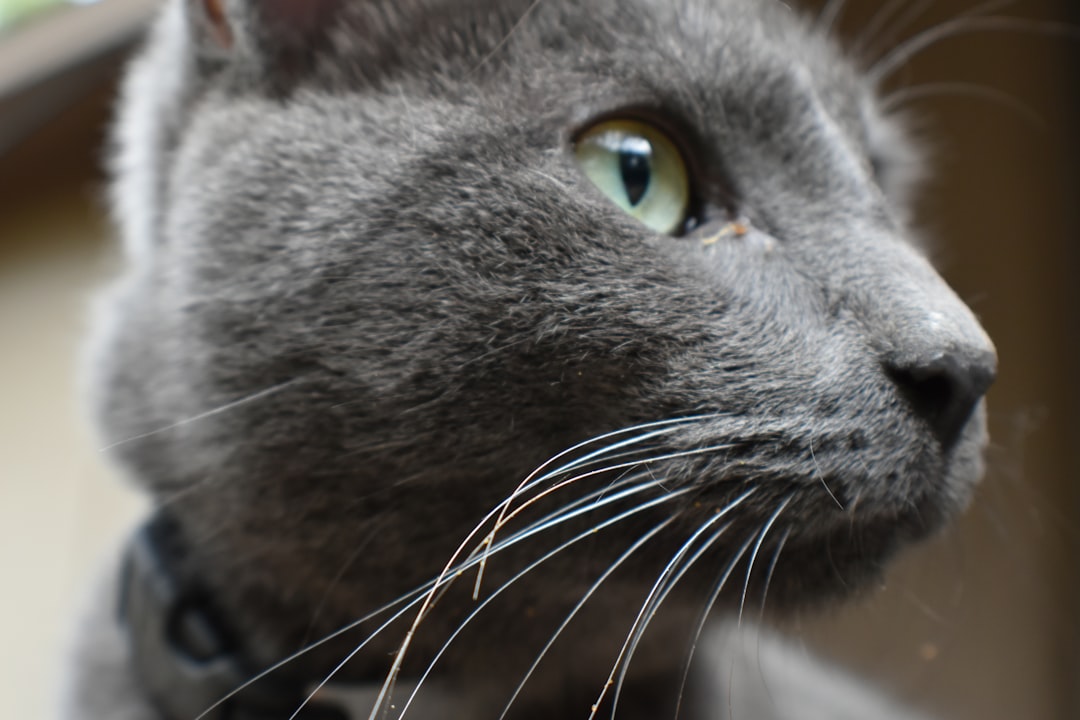
What Counts as a “Senior” Cat?
| Life Stage | Age Range |
|---|---|
| Adult | 1–6 years |
| Mature / Middle-aged | 7–10 years |
| Senior | 11–14 years |
| Geriatric | 15+ years |
The Real Benefits of Adopting a Senior Cat
- Their personality is already fully formed — what you meet at the shelter is what comes home with you
- They’re typically calmer and less destructive than kittens, with far less supervision required
- Most are already litter-trained and comfortable around people
- They’re almost always the lowest adoption fee, and already spayed/neutered
- They form bonds just as deeply as younger cats — age has no bearing on affection
Common Myths About Senior Cats
| Myth | Reality |
|---|---|
| “Senior cats are always sickly.” | Many senior cats live long, healthy lives with nothing more than routine checkups — age alone doesn’t guarantee illness. |
| “Older cats are grumpy or set in their ways.” | Personality doesn’t change with age. A calm, affectionate senior cat was likely just as calm and affectionate as a younger adult. |
| “You won’t get much time with a senior cat.” | Indoor cats commonly live into their late teens or early twenties, meaning even a 10-year-old cat may still have a decade of companionship ahead. |
| “Senior cats can’t bond with a new owner.” | Cats of any age can form strong new bonds — there’s no evidence that age affects a cat’s ability to attach to a new home. |
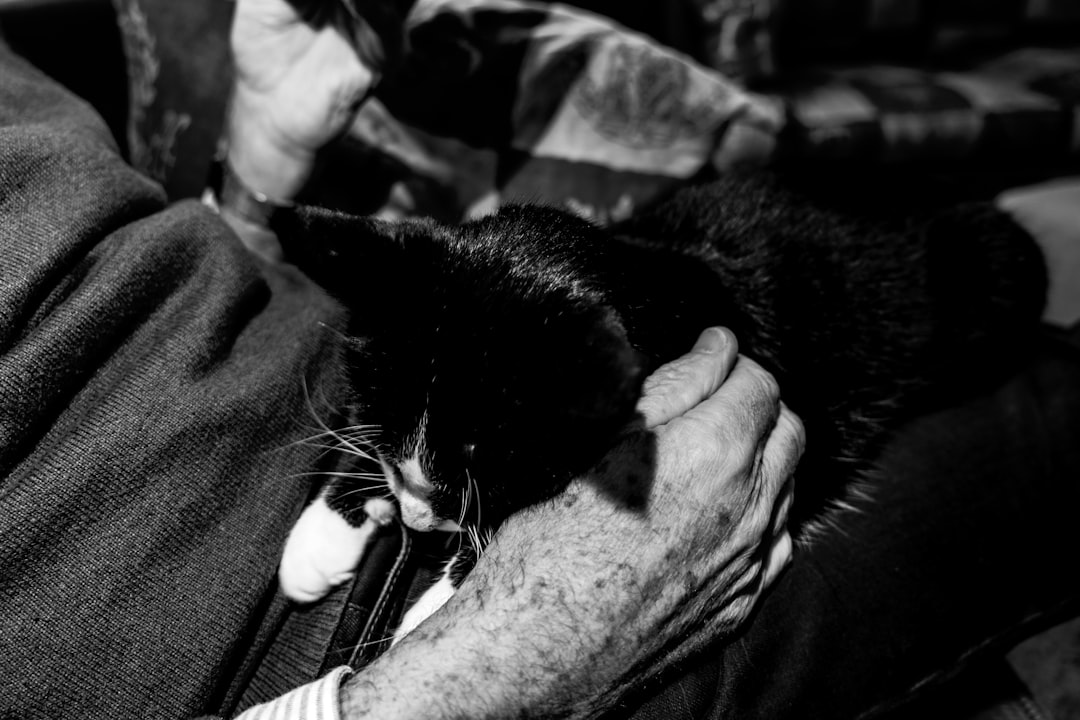
What Changes as a Cat Ages
A few real differences are worth knowing before you adopt an older cat, even if none of them are dealbreakers, per Banfield Pet Hospital’s senior cat care guide:
- Reduced mobility — reluctance to jump onto high surfaces, or slight stiffness when moving
- Longer naps and shorter bursts of play
- Increased likelihood of dental disease, arthritis, kidney disease, or hyperthyroidism
- A need for easier access to food, water, and a litter box, especially if stairs are involved
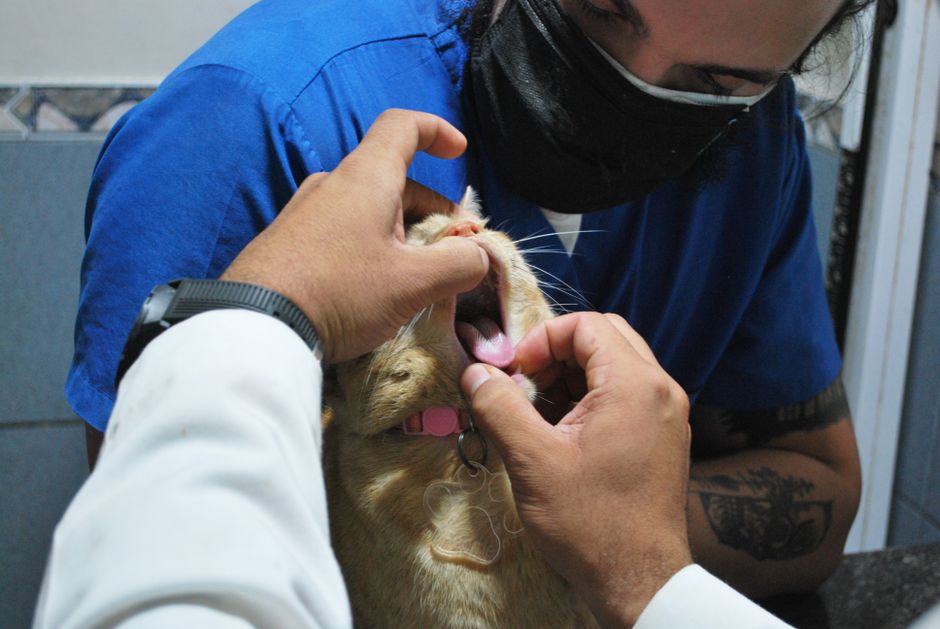
- More frequent veterinary visits — twice yearly is the general recommendation past age 7
Setting Up Your Home for a Senior Cat
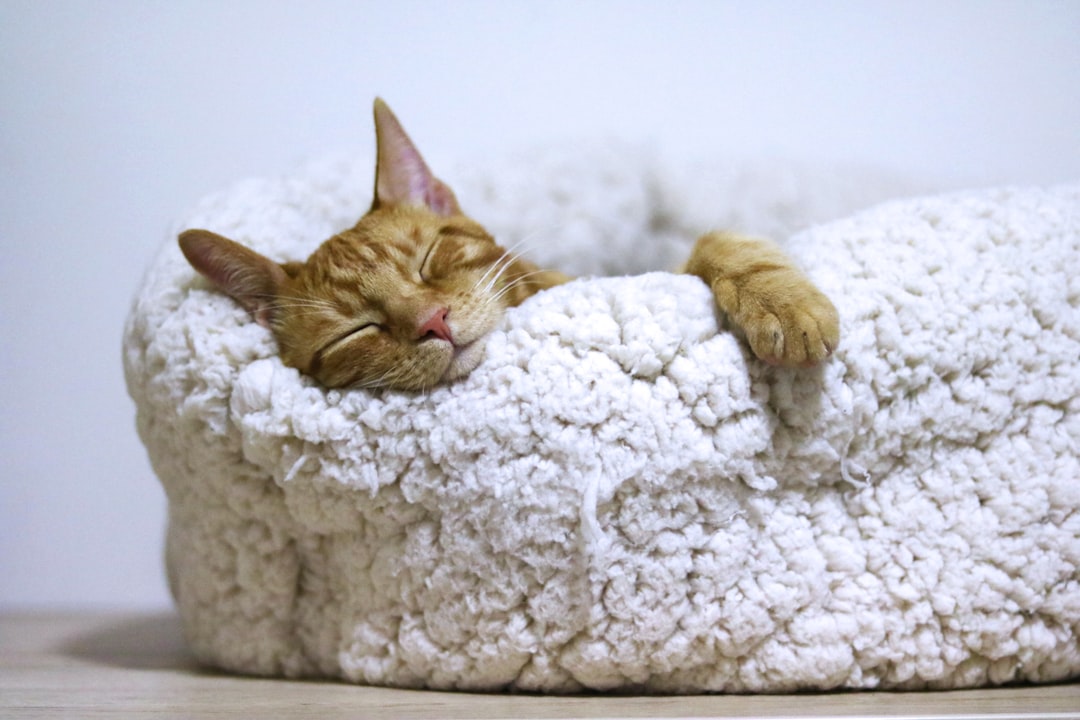
- A soft, supportive bed in a warm, quiet spot
- Low-sided litter boxes that are easy to step into
- Food and water bowls on the same floor the cat spends most of its time on
- Senior-formula food, if recommended by your vet
- Non-slip surfaces near favorite resting spots, especially if arthritis is a factor
None of this requires special equipment or a large budget — most of these are simple adjustments to an existing home rather than new purchases.
Senior Cats in Multi-Pet Households
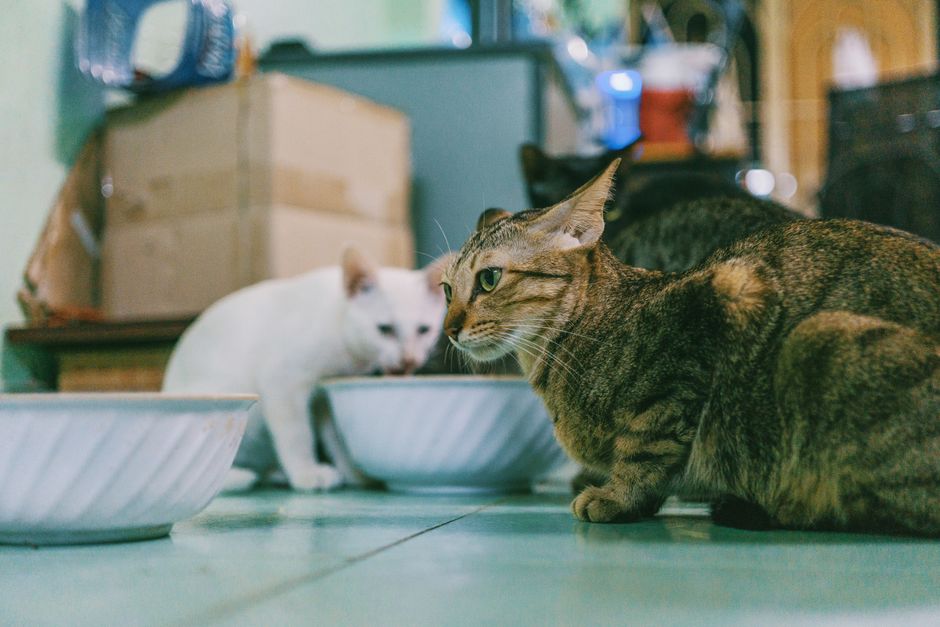
A common assumption is that older cats struggle to adjust to homes with existing pets. In practice, the opposite is often true — a calm, already-socialized senior cat tends to settle in with less friction than a high-energy kitten would, since it’s less likely to provoke a resident cat or dog through rough, kitten-style play. Slow, supervised introductions still matter regardless of age, but a senior cat’s steadier temperament often makes that process shorter.
The First Few Days with a Senior Cat
Older cats can be more sensitive to the stress of a new environment than a kitten might be, even if their personality is otherwise unbothered. A few things help the transition go smoothly:
- Set up food, water, and a litter box in a quiet room before bringing the cat home
- Avoid rearranging that space for the first week or two, since consistency reduces stress
- Give the cat time to approach you rather than picking it up right away
- Watch for signs of discomfort that could indicate an undiagnosed condition, like reluctance to jump or eating less than expected
- Schedule a vet visit within the first couple of weeks if the shelter or rescue didn’t already provide a recent exam
Senior vs. Kitten: Which Fits Your Life?
| Senior Cat | Kitten | |
|---|---|---|
| Adoption fee | Usually the lowest available | Usually the highest available |
| Supervision needed | Minimal | Significant, especially the first year |
| Personality | Fully known at adoption | Still developing |
| Activity level | Calm, low-key | High-energy, playful |
| Best fit for | Quieter households, first-time owners, apartments | Households with time for training and play |
If you’re still weighing the decision, our guide to what a cat adoption actually costs breaks down fees by age in more detail, and our kitten adoption guide covers the other end of that spectrum.
Frequently Asked Questions
At what age is a cat considered senior?
Cats are generally considered mature at 7 to 10 years old, senior at 11 to 14, and geriatric at 15 and older, per the American Association of Feline Practitioners. Many shelters use a simpler cutoff, often labeling any cat over 7 as a ‘senior’ for adoption purposes.
Do senior cats have more health problems?
Senior cats are more prone to conditions like kidney disease, arthritis, hyperthyroidism, and dental disease, but not every older cat develops serious health issues. Many senior cats live healthy, low-maintenance lives with routine veterinary care.
Are senior cats harder to adopt?
They’re statistically harder to place, not harder to care for. Senior cats are consistently the last chosen at shelters, which is exactly why many organizations, including Cats By The Tracks, price their adoption fee lowest for older cats.
How often should a senior cat see the vet?
Twice a year is the general recommendation for cats over 7, versus once a year for younger adult cats, since it allows earlier detection of common age-related conditions.
Meet Our Senior Cats
Cats By The Tracks is a 501(c)(3) foster-based rescue serving Fresno and the Central Valley. Senior cats are consistently among our lowest adoption fees.
Leave a Reply