
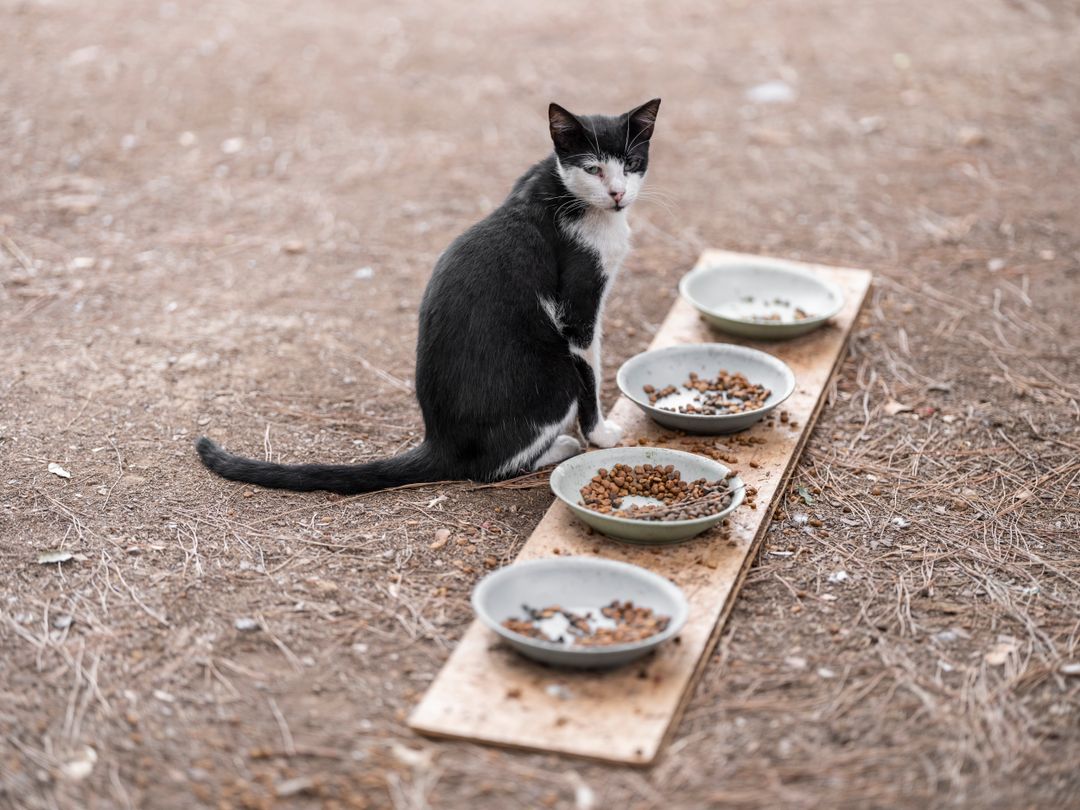
A surprising share of cats surrendered to Fresno shelters are given up by people who love them and simply cannot afford to feed them that month.
That is one of the most solvable problems in animal welfare. Food is cheap compared with the cost of a shelter intake, a stay, and a re-adoption — and help exists locally for people who ask.
Here is how pet food assistance works, how to find it in Fresno, and how to ask without embarrassment.
Why this matters more than it sounds
Fresno shelters run at or near capacity for much of the year. Fresno Humane Animal Services and Central California SPCA both accept owner surrenders only by appointment and as space allows.
Both explicitly ask owners to exhaust alternatives first. Food assistance is one of the most effective alternatives, because the underlying crisis is usually temporary.
A cat that stays home during a hard three months does not need a kennel, a foster, a vet workup or an adopter. Keeping it fed is the cheapest intervention available to anyone.
Where pet food help comes from
| Source | Typically offers | How to access |
|---|---|---|
| Human food banks | Pet food alongside groceries | Ask — many stock it quietly |
| Shelter surrender-prevention programmes | Short-term food, sometimes vet help | Call the shelter directly |
| Rescue groups and TNR groups | Bags and tins from donations | Ask locally or via social media |
| Faith and community organisations | Informal help | Ask at the office |
| Veterinary practices | Prescription diet samples | Ask your own vet |
| Neighbourhood mutual aid groups | Direct person-to-person help | Local online groups |

Human food banks are the most commonly overlooked. Many stock donated pet food but do not advertise it, because they cannot guarantee supply. You usually have to ask.
How to ask without dreading it
This is the barrier for most people, and it is worth naming directly. Asking for pet food help is not a moral failure and staff do not see it that way.
- Call rather than turning up — it is easier and you find out availability first.
- Say plainly what you need: how many cats, and roughly how long you expect to need help.
- Ask about surrender prevention specifically. It is a named programme at many shelters.
- Ask what else they can connect you to — vet vouchers and spay/neuter often come bundled.
- Take what is offered even if it is not your usual brand, and transition gradually.
Feeding America’s local food bank finder is the fastest way to locate the nearest distribution point, and many of those partners stock pet food alongside groceries.

Changing food safely when supply changes
Assistance food varies by what has been donated, so cats on a pantry supply often switch brands more than usual.
Transition over five to seven days where you can, mixing increasing proportions of the new food. Abrupt switches cause diarrhoea, which turns a food problem into a vet problem.
If a cat has a prescription diet, say so when asking. Substituting a therapeutic diet can be genuinely dangerous, and vets often have samples or cheaper equivalents.
Other costs worth tackling at the same time
Food is rarely the only pressure. If money is tight, these are the other levers.
| Cost | Typical approach | Rough saving |
|---|---|---|
| Spay/neuter | Low-cost clinic or voucher | Hundreds vs private practice |
| Vaccinations | Low-cost community clinic | Half or less |
| Litter | Bulk unscented clay | 30–50% vs premium |
| Flea treatment | Vet-recommended generic | Significant vs branded |
| Emergency care | Payment plan, ask before treatment | Spreads the cost |

Our comparison of low-cost spay and neuter options in Fresno covers the largest single saving, and what a cat actually costs per year breaks the rest down honestly.
If you are feeding outdoor cats too
Many people seeking food help are feeding their own cats plus several that turned up outside. The outdoor group is usually the part that grows.
Sterilising them is the only way the food bill stops rising. It is cheaper than another season of kittens, and local clinics price community cats far below pet rates.
Our guide to getting started with TNR in Fresno covers how to begin, and feeding station best practices covers doing it without attracting wildlife or complaints.
If you want to donate instead
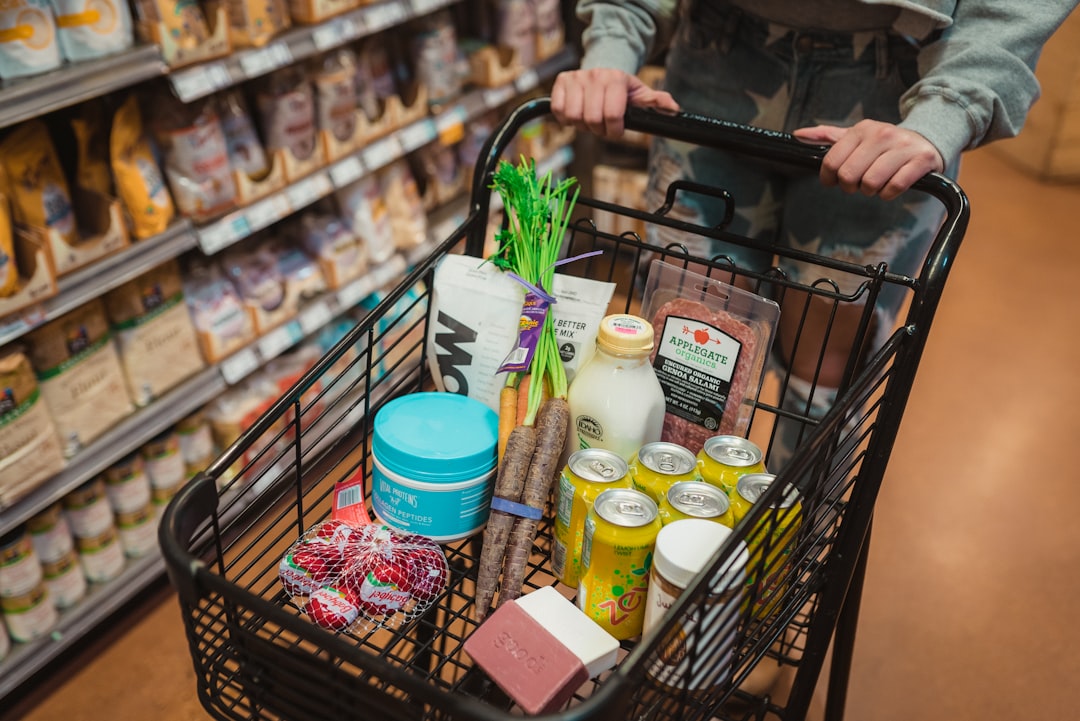
Pet food drives are among the most directly useful things a rescue receives, because every bag donated is a cat that stays in its home.
- Unopened, in-date dry and wet cat food — check dates before donating.
- Kitten formula and wet kitten food, which are always short in spring.
- Unscented clay litter, which rescues go through constantly.
- Towels and blankets, useful year-round.
- Cash, which lets a rescue buy exactly what is missing at wholesale rates.
Our guide to in-kind donations versus cash explains when each is more useful, and our rescue wish list lists what we actually run short of.
Before you decide you cannot keep your cat
If food is the immediate crisis, deal with the food. Decisions made in a bad month are often regretted in a better one.
If the situation is genuinely longer-term, there are still steps before a shelter. Our guide to rehoming a cat in Fresno covers the full sequence, and alternatives to surrendering a cat covers temporary fostering and crisis support.
You can also support this work directly through our donation page, which funds food, vetting and spay/neuter across the Central Valley.

If there is no pantry near you
Rural parts of Fresno and Madera counties have thin coverage, and the nearest distribution point may be an impractical drive. There are still options.
- Buy the largest bag you can afford — cost per pound falls sharply with size.
- Split a bulk order with another cat owner and share the delivery.
- Ask your vet about short-dated or discontinued stock, which is often given away.
- Check local mutual aid and neighbourhood groups, where informal help moves fast.
- Ask a rescue directly — most hold donated food and would rather give it out than see a surrender.
Store bulk food properly or the saving disappears. Keep it sealed, cool and dry, and decant only what you need for a fortnight to stop the rest going stale or attracting pests.
If the shortfall is likely to last months rather than weeks, say so when you ask. Organisations plan differently for a temporary gap than for an ongoing need.
Sometimes the concern is about someone else’s animals rather than your own. Our guide to what to do if you suspect animal neglect covers reporting, and why offering help is sometimes more effective than a complaint.
Frequently Asked Questions
Can I get free cat food in Fresno?
Often yes. Many human food banks stock donated pet food without advertising it, and shelters run surrender-prevention programmes that include short-term food help. You usually need to ask directly.
Will asking for pet food help count against me?
No. Shelters would far rather provide a few bags of food than take in a cat. Surrender prevention exists precisely because keeping a pet at home is cheaper and better than a shelter intake.
What if my cat needs a prescription diet?
Say so when you ask. Substituting a therapeutic diet can be dangerous for cats with kidney, urinary or digestive conditions. Vets frequently have samples or lower-cost equivalents available.
How do I switch cat food brands safely?
Transition over five to seven days, mixing an increasing proportion of the new food each day. Abrupt changes commonly cause diarrhoea, which can turn a food problem into a veterinary bill.
What pet food donations are most useful?
Unopened, in-date dry and wet cat food, kitten formula and wet kitten food, and unscented clay litter. Cash is often most useful of all, since rescues buy at wholesale rates.
I am feeding stray cats and cannot keep up. What should I do?
Get them sterilised. The food bill only stops rising once the colony stops breeding, and local clinics price community cat surgery far below standard pet rates.