
You don’t need a huge budget or professional event planners to raise meaningful money for a cat rescue — some of the most effective formats are also the simplest to organize. Here’s what actually works.
Pet Walks: The Reliable Standby
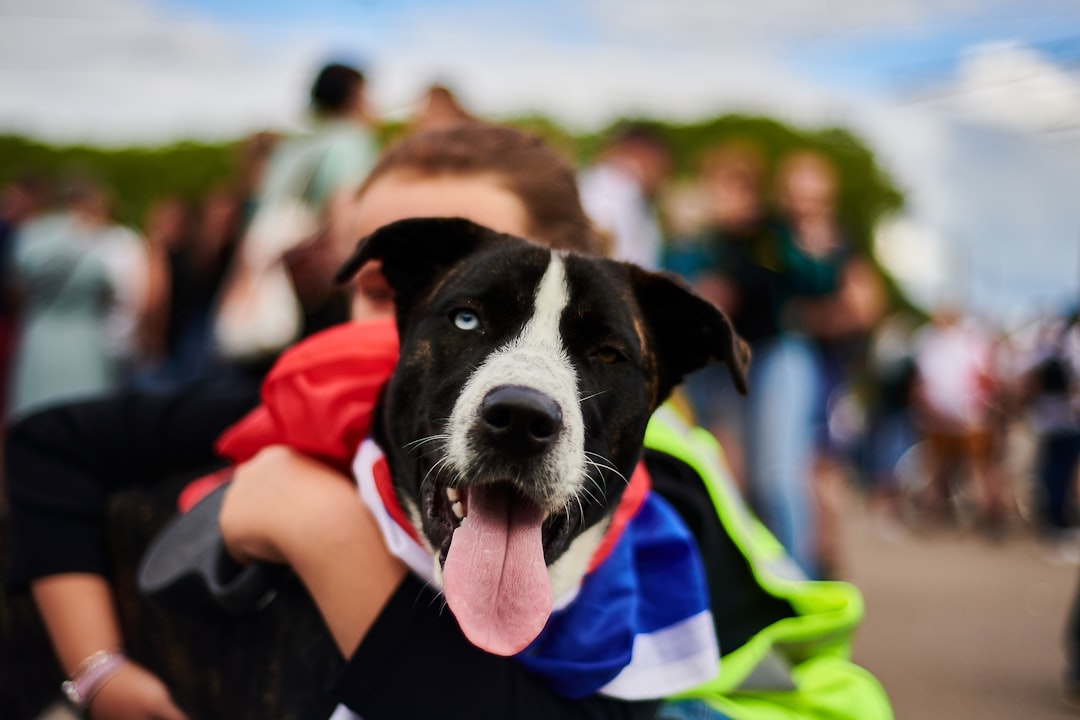
Pet walks are one of the most popular fundraising formats for animal rescues, since they get the community involved while people enjoy bringing their own pets along. The basic formula: pick a date, location, and route, promote through social media and flyers, set a registration fee, and offer food, merchandise, or activities on the day itself.

Casual, Social Formats
Trivia nights and board game competitions keep costs low while still raising real money — an entry fee per team, snacks and drinks included in the ticket price, and prizes donated by local businesses can make for a genuinely fun, low-overhead event. Animal-themed trivia is an easy hook for a rescue specifically.
Cat Cafe Pop-Ups
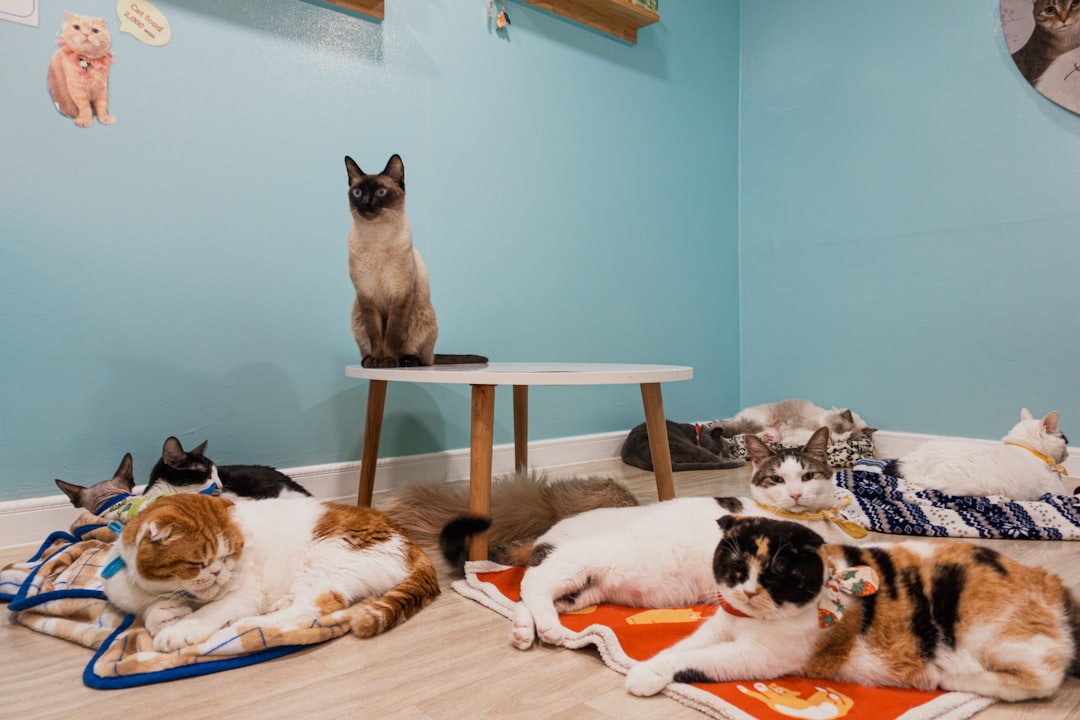
A cat cafe pop-up gives people a low-pressure way to meet adoptable cats in person, donate, and learn about your organization — often more effective than a table at a general community event, since visitors come specifically to interact with the cats.
Virtual and Online Options
- Virtual pet photo contests, where entry fees and votes both raise money
- Livestreamed shelter tours featuring specific animals needing homes
- Documentary screenings, with ticket sales and donations combined
The Planning Basics
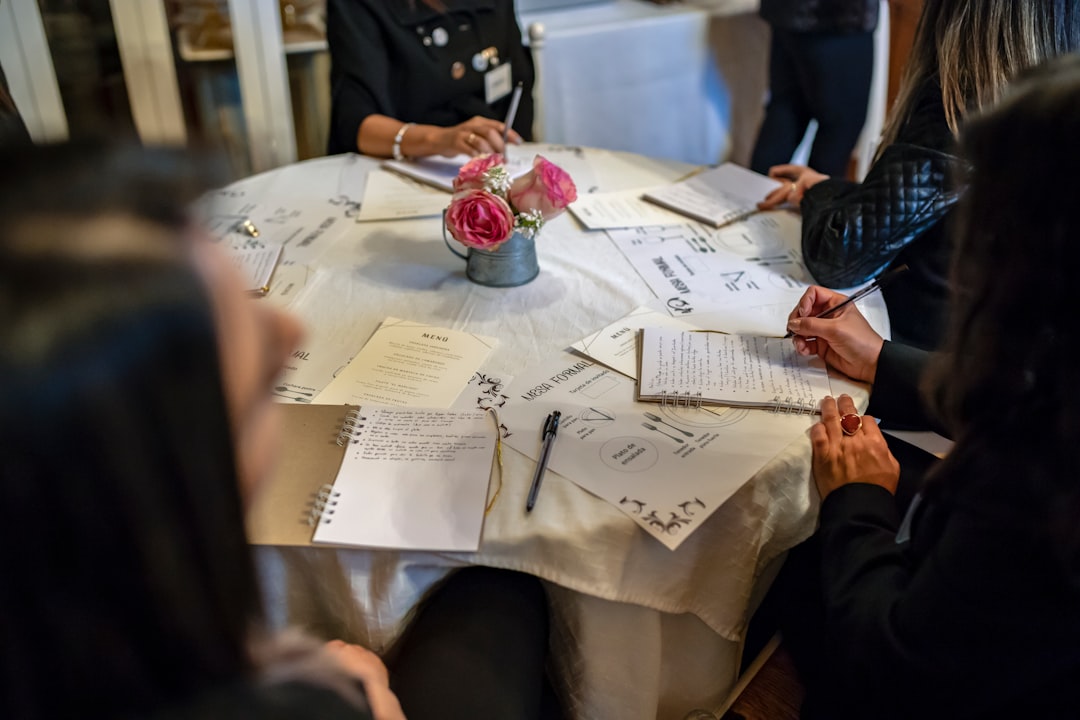
Whatever format you choose, the same planning steps apply: pick a date and venue early, build a small planning committee, line up donated prizes or supplies from local businesses, and give yourself enough lead time to promote the event properly rather than rushing it.
What Actually Gets People to Donate
The strategy that consistently works best is sharing real animals’ individual stories — backed by photos and concrete impact statistics — rather than generic appeals. People give more when they can picture the specific cat their donation is helping, not an abstract cause.

Choosing the Right Format for Your Rescue
Not every format fits every organization’s size, volunteer capacity, or community. A pet walk requires outdoor space, permits, and a decent number of volunteers to manage logistics on the day, while a trivia night can run in a single rented room with a handful of organizers. Matching the scale of the event to your actual available resources — rather than starting with the biggest, most ambitious idea — tends to produce a more successful first fundraiser, with room to grow the format in future years once you’ve built experience and a track record.
Setting a Realistic Fundraising Goal
Before promoting any event, set a specific dollar goal based on realistic attendance and giving patterns, rather than an aspirational number pulled out of thin air. A modest, achievable goal that gets hit or exceeded builds momentum and donor confidence for the next event, while a wildly optimistic target that falls short can actually undermine future fundraising credibility, even if the event itself raised a meaningful amount of money.
Following Up After the Event
The fundraiser itself is only half the work — following up with attendees and donors afterward, sharing a summary of how much was raised and what it will fund, keeps supporters engaged for the next event rather than treating each fundraiser as an isolated, one-time ask. A simple thank-you email with concrete numbers and a photo or two from the event goes a long way toward building the kind of repeat donor base that makes each subsequent fundraiser easier to organize.
Recruiting Volunteers for Your Event
Even a small fundraiser needs more hands than a single organizer can provide — someone to handle registration, someone to manage donated prizes or raffle items, and someone to keep the day itself running smoothly. Recruiting a small committee well ahead of the event date, with clearly defined roles, prevents the common last-minute scramble where everyone is trying to do everything at once instead of executing a plan calmly.
Promoting the Event Effectively
A well-organized fundraiser still underperforms if too few people know about it. Sharing details across social media well ahead of the date, sending a dedicated email to your existing supporter list, and asking any sponsors or prize donors to help spread the word to their own networks all meaningfully widen your reach beyond your rescue’s usual audience. A countdown in the final days before the event — reminders about registration deadlines, ticket sales closing — also reliably drives a late surge of interest.
Measuring Success Beyond the Dollar Total
While the amount raised matters, tracking additional outcomes — new email signups, new volunteer interest, new social media followers, or adoption inquiries generated by the event — gives a fuller picture of an event’s actual value to your organization. A fundraiser that raises a modest amount of money but brings in several new long-term volunteers or donors may ultimately be more valuable than a bigger one-time payout with no lasting connection to new supporters.
Starting Small and Building Over Time
Your first fundraiser doesn’t need to be your biggest or most ambitious — a modest, well-executed event that meets its goal builds the organizational muscle and donor relationships needed to run a bigger one the following year. Many well-known annual rescue fundraisers started as small, informal gatherings before growing into the larger community events they became, and there’s no shortcut around that gradual build.
Whatever format you choose, the goal is the same: giving your community a genuine, low-friction way to support cats in need while having a good time doing it.
Raising money for one animal’s treatment works differently from a general fundraiser. Our guide to crowdfunding a cat’s vet bill covers what to try first and what makes an appeal reach its target.
Two formats raise more per attendee than almost anything else, and both need planning well in advance. Our guide to running auction and raffle fundraisers for animal rescue covers the permits, pricing and logistics involved.
Frequently Asked Questions
What’s the single most popular fundraising format for animal rescues?
Pet walks — they’re popular because they get the community involved while people enjoy their own pets, and they scale well from small local events to larger ones.
Do fundraisers need to be in-person?
No — virtual pet photo contests, livestreamed shelter tours, and documentary screenings can all raise money and awareness without requiring a physical venue.
What makes people actually donate at these events?
Sharing real animals’ stories, backed by photos and impact statistics, is what gets supporters emotionally invested enough to give — generic appeals raise less than specific ones.
Can a small rescue host a fundraiser without a big budget?
Yes — trivia nights and board game competitions can run on a modest budget, since costs are mainly a venue and some donated prizes, with an entry fee covering most expenses.
Support Our Fundraising Efforts
Cats By The Tracks relies on community fundraisers to support our foster-based rescue work in the Central Valley.