

TNR and TNVR are often used interchangeably, and for good reason — they describe essentially the same process. The distinction is subtle but worth understanding, especially if you’re evaluating or funding a specific program.
What TNR Means
TNR stands for Trap-Neuter-Return: community cats are humanely trapped, spayed or neutered, and returned to the outdoor location they call home. This is the older, more widely recognized term, dating from before vaccination was consistently emphasized as a core program component.
What TNVR Adds
TNVR stands for Trap-Neuter-Vaccinate-Return. The process is identical to TNR, but the name explicitly calls out vaccination as a guaranteed step — during surgery, cats receive core vaccines, typically including rabies, protecting both the individual cat and the broader community where it lives.
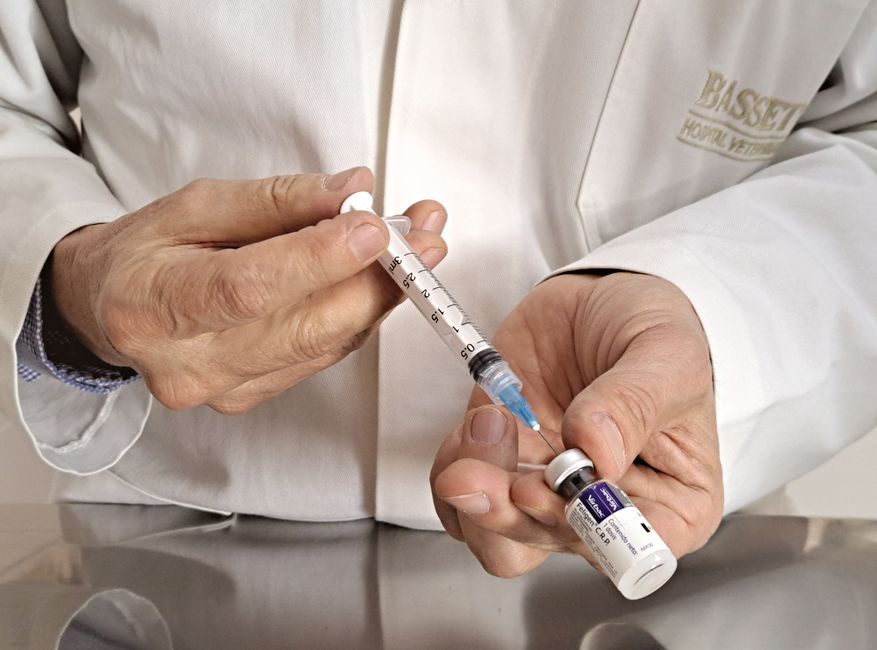
Why the Distinction Exists at All
Some people still refer to their program as TNR even when it includes vaccination, simply because that’s the more familiar, established term. TNVR emerged as a way to be more explicit about what a program actually delivers — a small naming difference that reflects a real evolution in how thoroughly these programs are typically run today.

See our guide on why community cats need vaccinations for more on the rabies and FVRCP vaccines specifically, and why they matter at the colony level, not just for one cat.
Does the Terminology Actually Matter?
- For day-to-day caretaking, the two terms functionally describe the same practice
- TNVR is the clearer term if you want to confirm vaccination is guaranteed, not assumed
- When researching or funding a program, ask directly whether vaccination is included regardless of which term they use

The Bottom Line
Whichever term a program uses, the goal is the same: a sterilized, vaccinated, ear-tipped cat returned safely to its territory. See our full guide to what TNR is and how it works for the complete process.
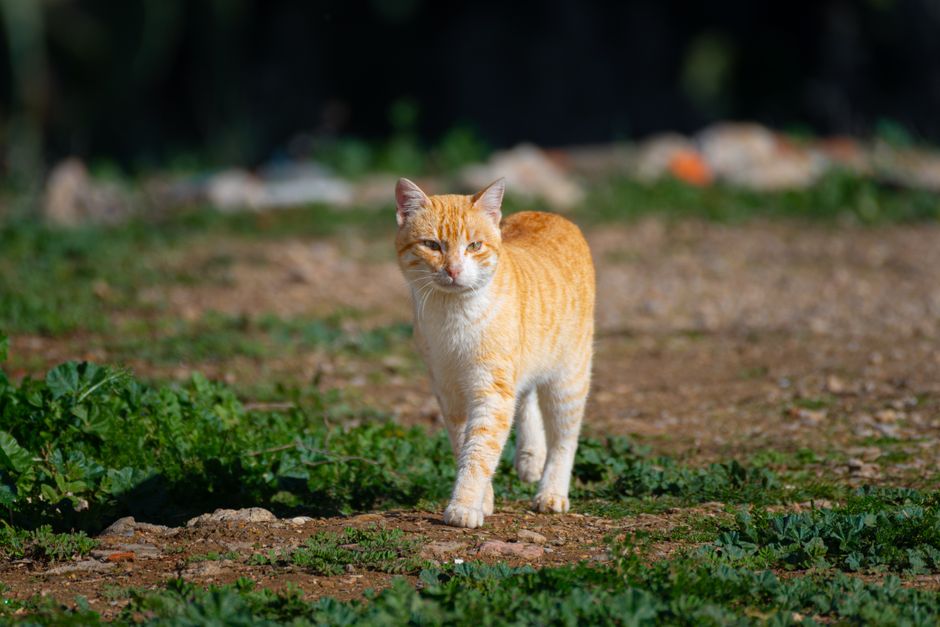
Why the Vaccination Step Matters So Much
The ‘V’ in TNVR isn’t just a naming formality — it represents a genuinely critical piece of what makes community cat management actually work at a public health level. Rabies vaccination protects not just the individual cat but everyone who might come into contact with it, from other caretakers to neighbors to any wildlife the cat might interact with outdoors. Without this explicit emphasis, a program calling itself “TNR” could technically skip vaccination and still use the same familiar terminology, which is part of why the more precise TNVR label has gained traction among organizations wanting to be unambiguous about their standards.
How Organizations Typically Refer to Their Own Work
In practice, most established organizations — Alley Cat Allies, Neighborhood Cats, and countless local rescues — have long included vaccination as a non-negotiable part of what they call TNR, even without adopting the TNVR label specifically. This means the practical difference between an organization saying “TNR” versus “TNVR” is often just branding preference rather than a meaningful difference in what actually happens to the cats. Still, if you’re ever unsure, asking directly whether vaccination is included is always the clearest way to know for certain.
A Related Term: TNRM
You may also encounter TNRM, standing for Trap-Neuter-Return-Manage, which adds an explicit emphasis on the ongoing management and monitoring of a colony after the initial surgery and vaccination. Like TNVR, this isn’t really a different process so much as a more descriptive label — it highlights that a colony’s care doesn’t end once cats are returned, but continues through feeding, health monitoring, and welcoming new caretakers as circumstances change over time.
How to Talk About This With Neighbors and Newcomers
If you’re explaining community cat management to someone unfamiliar with the concept — a new neighbor, a curious passerby, a local official — leading with the plain-language description (trap, sterilize, vaccinate, return) tends to land better than leading with an acronym they may not recognize. Once someone understands what actually happens to the cat, the specific label used to describe it becomes a much easier follow-up detail rather than the first, potentially confusing thing they hear.
Consistency Matters More Than the Specific Term
For anyone coordinating across multiple caretakers, rescues, or municipal partners, agreeing on a single consistent term to use in shared documentation, signage, or public communication reduces confusion far more than debating which term is technically superior. A colony’s official records, feeding station signage, and any public-facing materials should ideally use the same terminology throughout, rather than switching between TNR and TNVR inconsistently across different documents describing the same underlying program.
What This Means for You as an Individual Caretaker
If you’re managing your own small colony independently, the terminology question matters far less than the actual practice — as long as every cat you help is genuinely sterilized, vaccinated, and ear-tipped before being returned, you’re following the substance of what both terms describe, regardless of which label you personally prefer to use when talking about your work.
In the end, whether you say TNR or TNVR, what matters most to the cats themselves is that every step — trapping, surgery, vaccination, and a safe return to familiar territory — actually happens as intended.
A Quick Reference for New Caretakers
If you’re new to this work entirely, don’t spend too much time worrying about which acronym is more correct to use — focus instead on confirming that any program or clinic you work with genuinely includes all four core steps: trapping, sterilization, vaccination, and return. A program missing any one of these isn’t following the full standard of care regardless of which name it uses, and that substance matters considerably more than the specific terminology on a flyer or website.
Frequently Asked Questions
Is TNVR a completely different process from TNR?
No — the process is the same: trap, sterilize, and return a community cat. TNVR just makes vaccination an explicit, named part of the process rather than leaving it implied.
Why do people still use the term TNR if TNVR is more accurate?
TNR is the older term, from before vaccination was consistently emphasized as a standard program component — many people still use it as a general umbrella term even when their program does include vaccination.
Which vaccine is typically given during TNVR surgery?
Rabies is the core vaccine given during TNVR surgery, since it protects both the cats and the human communities where they live.
Does it matter which term a program uses?
Not hugely for day-to-day purposes, but TNVR is the more precise term if you want to communicate clearly that vaccination is a guaranteed part of the process, not just an assumption.
Supporting TNVR in the Central Valley
Cats By The Tracks ensures every community cat we help is spayed/neutered and vaccinated.