
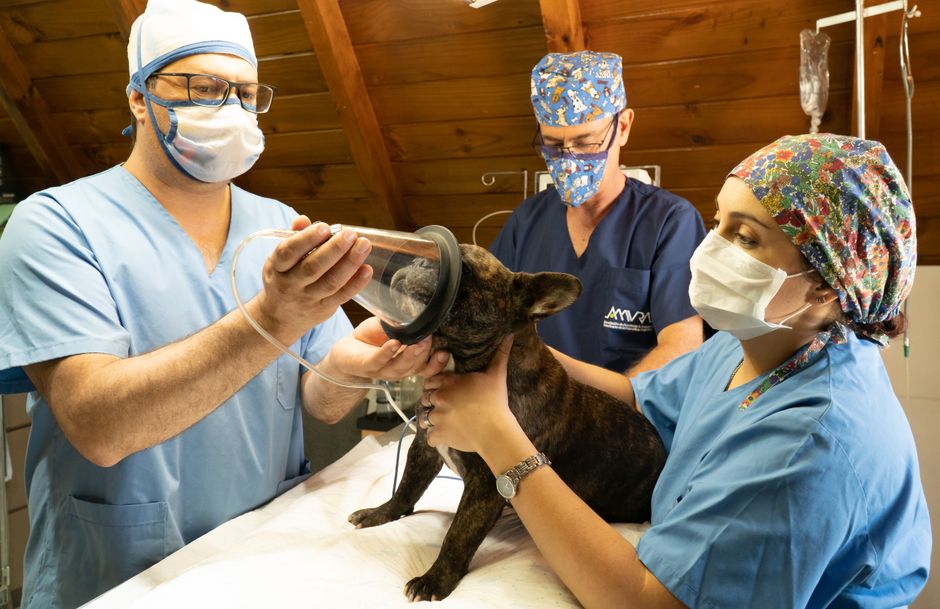
TNR isn’t free, but it’s far more affordable than most people assume — and there are real funding sources built specifically to help cover it. Here’s what it actually costs and where the money can come from.
The Real Cost Range
Published US TNR programs report costs between $20 and $97 per cat, depending on location and exactly what’s included. Some specific examples: $25 per cat covering spay/neuter and a rabies vaccine; $40 per cat covering spay/neuter, rabies vaccine, distemper vaccine, flea/tick treatment, and ear-tipping; and an average cost of $75 per cat for spay/neuter plus a rabies vaccine across many programs.

| Program Example | Cost Per Cat | What’s Included |
|---|---|---|
| Basic | $25 | Spay/neuter, rabies vaccine |
| Standard | $40 | Spay/neuter, rabies + distemper vaccines, flea/tick treatment, ear-tip |
| Average | $75 | Spay/neuter, rabies vaccine |
| Higher end | $75–$160 | Varies by program and region |
Grant Funding: United Spay Alliance
United Spay Alliance offers grants targeted at grassroots TNR groups, rescue organizations, and low-cost spay/neuter providers. The structure is a matching model: grantees raise $2,000 net on their own, and United Spay Alliance matches it with an additional $2,000 grant — a real incentive to build local fundraising capacity alongside the grant itself.

SpayUSA Feral Cat Program
SpayUSA’s funding doesn’t cover the entire surgery cost — instead, a set, fixed amount is allotted toward each feral cat’s spay or neuter at a participating veterinary practice, with the exact amount depending on program variables. It’s a meaningful subsidy, not full coverage, so budgeting for the remaining balance still matters.

State-Level Funding
Some states — including New Jersey, New Hampshire, Massachusetts, and Florida — use protected funds or specialty license plate revenue to support sterilization programs directly, which can mean state-subsidized options exist depending on where you’re working.
Making Your Budget Work
- Call local low-cost spay/neuter clinics first — pricing varies significantly by region
- Check United Spay Alliance’s matching grant if you can raise some funds independently
- Look into SpayUSA as a partial subsidy rather than full coverage
- Check whether your state has a dedicated sterilization funding program
See our guide to how to trap a cat for TNR for the full process once funding is lined up.
Comparing TNR Cost to the Alternative
Even at the higher end of the published range, TNR’s per-cat cost is consistently lower than the cumulative cost of managing an unaltered, reproducing colony over time — ongoing shelter intake, repeated euthanasia costs, and the compounding expense of an ever-growing population all add up to considerably more than a one-time sterilization cost per cat. This comparison is worth having ready when advocating for TNR funding to a local government or skeptical property owner, since the financial argument is often just as persuasive as the welfare argument.
Local Veterinary Partnerships
Beyond national grant programs, many local veterinary practices offer reduced TNR rates directly, sometimes as a standing community service arrangement with a local rescue or TNR organization, and sometimes through occasional discounted clinic days. Building a direct relationship with a nearby vet willing to work at reduced rates for verified TNR cats can end up being more cost-effective and reliable than depending entirely on national grant cycles, which are often competitive and don’t guarantee funding every cycle.
Community Fundraising for TNR Specifically
Beyond grants, small-scale community fundraising — a bake sale, a social media campaign tied to a specific colony’s story, or a modest crowdfunding page — can cover the gap between available grant funding and actual need. Framing an appeal around a specific number of cats and a concrete per-cat cost tends to raise more than a vague general appeal, since donors can see exactly what their contribution accomplishes.
Budgeting for a Larger Colony Project
If you’re planning TNR for a colony of ten or more cats, it’s worth building a written budget before you start trapping, factoring in the per-cat cost range, transportation if the clinic is some distance away, and a buffer for cats that turn out to need additional treatment beyond the standard package — a pregnant female needing a more involved surgery, or a cat with an untreated injury discovered during the exam. Planning for this variability upfront avoids running out of funds partway through a larger colony effort.
Volunteer Time as a Hidden Cost Worth Counting
Published per-cat costs typically reflect only the direct veterinary expense, not the considerable volunteer time involved in feeding routines, trapping, transport, and recovery monitoring. While this labor doesn’t show up as a dollar figure in most program budgets, it’s worth recognizing as a genuine cost of the effort — and a good reason to recruit help rather than trying to manage funding, trapping, and aftercare entirely alone for a larger colony.
Where to Start If Cost Feels Overwhelming
If the idea of funding TNR for even a small colony feels daunting, start by calling your nearest low-cost spay/neuter clinic directly — many offer significantly reduced feral cat rates compared to what a general veterinary practice would charge, and staff there can often point you toward local grant programs or fundraising resources specific to your area that a general online search might miss.
Whatever your budget, remember that even a single sterilized cat represents a genuine, permanent reduction in future litters — cost shouldn’t be a reason to do nothing while you wait for perfect funding to materialize, since partial progress on a colony is still real, lasting progress toward a stable, healthier outdoor cat population over time, and every single cat sterilized is genuinely one less potential contributor to the future litters that would otherwise be born into that exact same specific colony over the years to come.
Frequently Asked Questions
What’s a realistic cost range for TNR per cat?
Published US programs report costs between $20 and $97 per cat, with a commonly cited average around $75 for spay/neuter plus a rabies vaccine.
What does a $40 TNR program typically include?
Spay/neuter, a rabies vaccine, a distemper vaccine, flea/tick treatment, and ear-tipping — a fairly comprehensive package for that price point.
How does the United Spay Alliance grant program work?
Grassroots TNR groups are required to raise $2,000 net themselves, which United Spay Alliance then matches with an additional $2,000 grant.
Does SpayUSA cover the full surgery cost?
No — SpayUSA funding provides a set, fixed amount toward each feral cat’s surgery at a participating veterinary practice, not full coverage of the entire procedure cost.
Support TNR in the Central Valley
Cats By The Tracks helps fund and coordinate TNR efforts throughout Fresno and the Central Valley.