
FIV and FeLV are two different viruses, often confused with each other, with very different outlooks. FIV-positive cats frequently live a full, normal lifespan with no special care beyond routine vet visits. FeLV-positive cats face a shorter average lifespan and generally need to live apart from FeLV-negative cats. Here’s what each diagnosis actually means, and why both kinds of cats still deserve a real look before you pass them by.
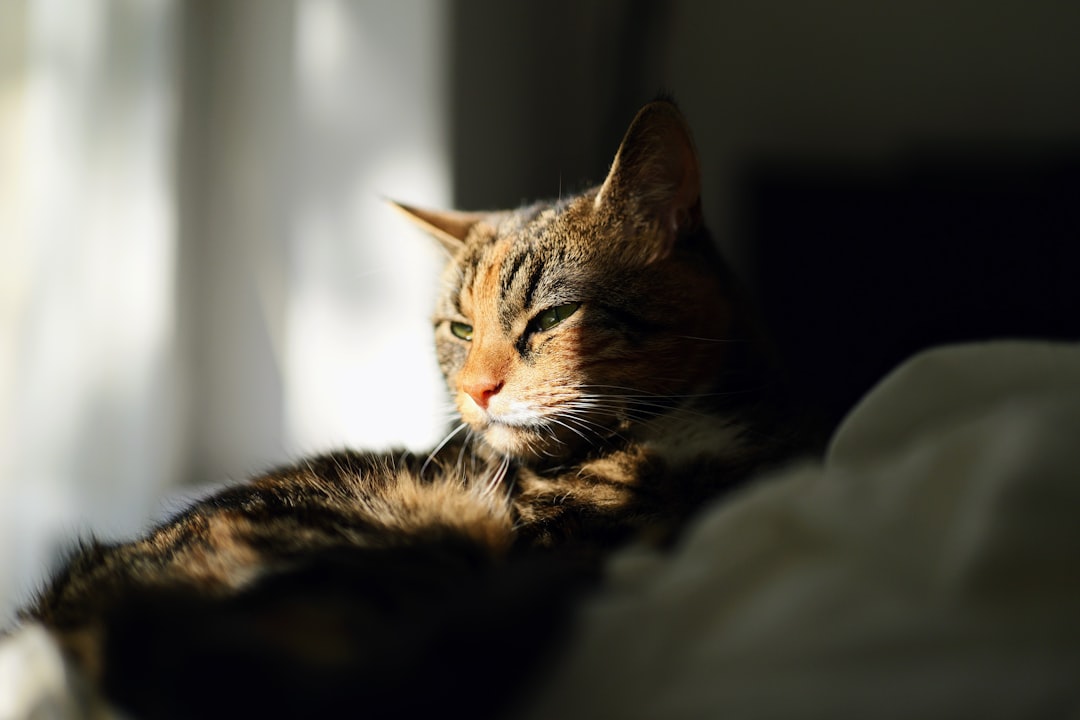
FIV vs. FeLV: The Difference That Actually Matters
| FIV (Feline Immunodeficiency Virus) | FeLV (Feline Leukemia Virus) | |
|---|---|---|
| How it spreads | Mainly through deep bite wounds during fighting | Through everyday contact — grooming, shared bowls, bite wounds |
| Typical lifespan after diagnosis | Often normal — 12 to 18 years with proper care | Shorter on average — commonly under 3 years, though some live 5+ years |
| Can live with FIV/FeLV-negative cats? | Often yes, in a calm, neutered indoor household | Generally no — usually kept separate or with other FeLV+ cats |
| Special care needed | Routine vet care, indoor living — no special diet required | More frequent monitoring; indoor-only is essential |
The single most important thing to understand: these are not interchangeable diagnoses with the same outlook. A cat’s specific status changes what kind of home and household actually fits it.
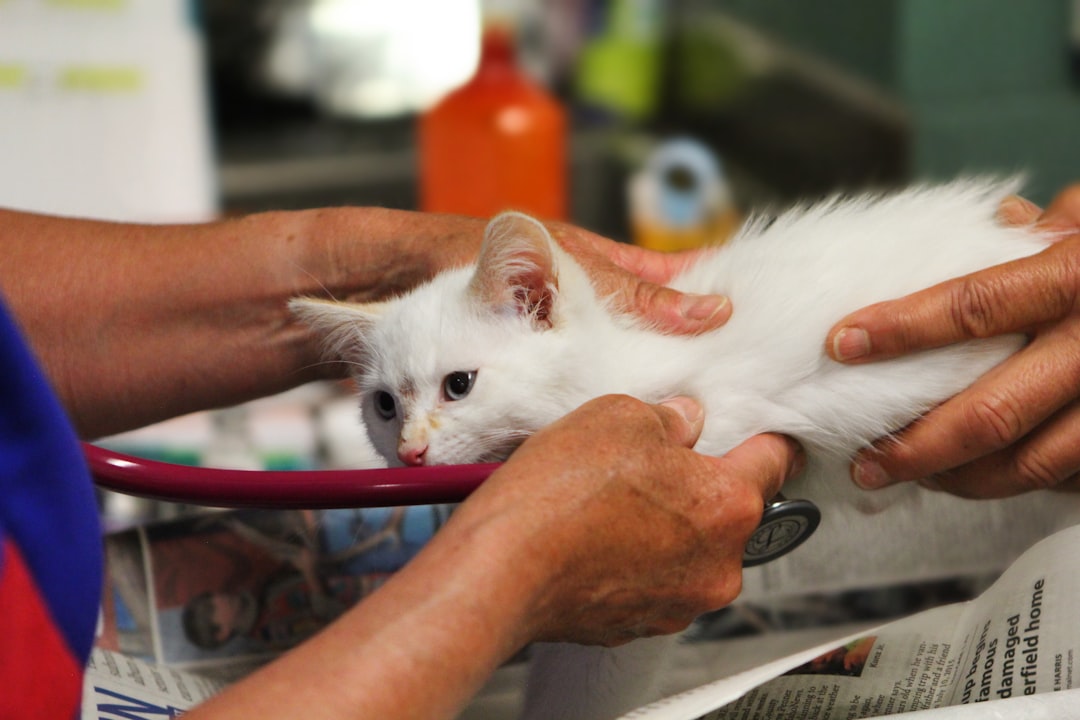
FIV: More Manageable Than Most People Assume
An FIV diagnosis isn’t the death sentence it’s often assumed to be. Per Humane World for Animals, studies have found no significant difference in lifespan between FIV-positive and FIV-negative cats when given proper care, and many FIV-positive cats remain asymptomatic for years or their entire lives.
- Indoor-only living, to avoid fight-related exposure to other cats and reduce stress
- Regular veterinary checkups to catch any secondary illness early, since FIV can weaken immune response over time
- No special diet or expensive ongoing treatment required
- Often safe to live alongside other calm, neutered indoor cats, since casual contact rarely transmits the virus
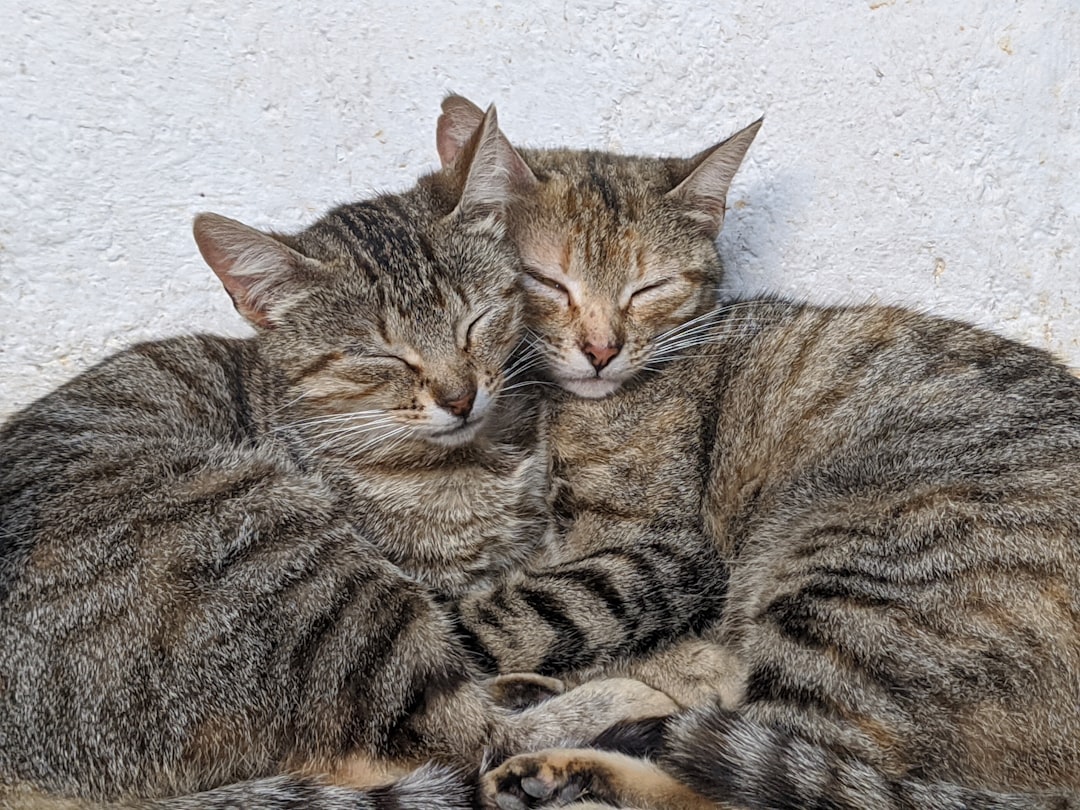
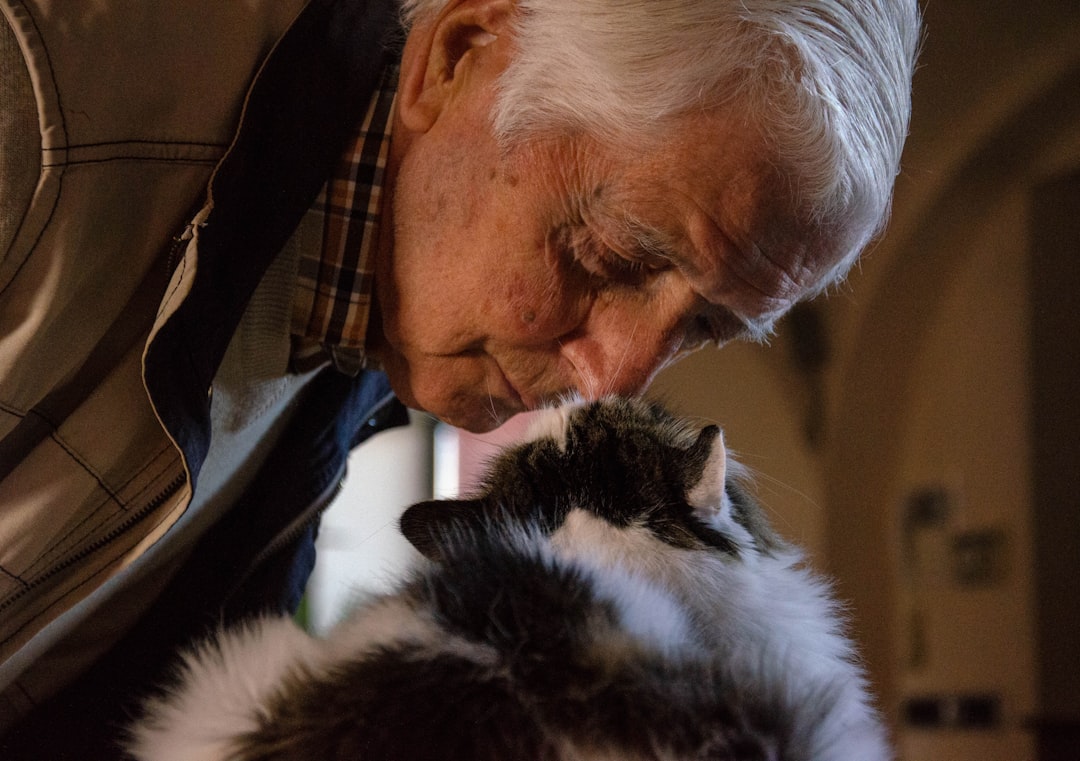
FeLV: More Serious, Still Worth Considering
FeLV is a more significant diagnosis. Per MEOW Cat Rescue’s guidance on living with feline leukemia, average life expectancy after diagnosis is shorter than FIV, though outcomes vary considerably — some FeLV-positive cats live several years with good care, particularly with an indoor, low-stress environment and consistent veterinary monitoring.
- Should generally live as a single cat, or alongside other FeLV-positive cats only
- Separate food bowls and litter boxes if any other cats are present in the home
- Indoor-only living is essential to reduce exposure to additional illness
- Twice-yearly veterinary visits to monitor for early signs of secondary conditions
How Both Are Diagnosed
Both FIV and FeLV are diagnosed through a simple blood test, often the same combination test run during a routine shelter intake exam. A positive result should generally be confirmed with a second test, since false positives can occur, particularly in very young kittens who may still carry maternal antibodies without actually being infected.
Reputable shelters and rescues disclose test results honestly rather than withholding them, since an accurate diagnosis is what allows a new adopter to set up the right living situation from day one.
What Neither Condition Means
- Neither FIV nor FeLV can spread to humans, dogs, or any non-feline species
- Neither requires an expensive specialized diet — both cats need the same basic nutrition as any healthy cat
- Neither is contagious through simple proximity in most everyday situations — casual contact carries much lower risk than people assume
- Neither diagnosis reflects anything about the cat’s personality, energy level, or affection toward people
Why These Cats Often Wait the Longest
FIV+ and FeLV+ cats are consistently among the longest-waiting cats in shelters and rescues, largely because of the assumptions above rather than the reality of caring for them. That makes them, alongside black cats and senior cats, one of the most commonly overlooked groups at any given shelter — not because they’re harder to love, but because they’re harder to get a fair first look.
What This Actually Costs to Manage
| Expense | FIV+ Cat | FeLV+ Cat |
|---|---|---|
| Special diet | Not required | Not required |
| Vet visit frequency | Similar to any healthy adult cat | More frequent monitoring recommended |
| Housing setup cost | None beyond standard indoor supplies | May need separate food/litter setup if other cats are present |
| Overall added cost vs. a healthy cat | Minimal | Modestly higher, mainly from monitoring visits |
Neither condition comes close to the cost many people assume before looking into it — the biggest practical difference is really about household compatibility, not expense.
What to Ask Before Adopting an FIV+ or FeLV+ Cat
- Is this cat FIV+ or FeLV+ specifically — the two require very different living situations
- Does the rescue recommend a single-cat household, or is cohabitation with other cats considered safe for this specific cat?
- What is this cat’s current health status and any symptoms so far?
- How often will follow-up veterinary visits be recommended?
Frequently Asked Questions
Can FIV-positive cats live with other cats?
Often, yes. Research has debunked the idea that FIV-positive cats can’t safely cohabitate — a peaceful, neutered, indoor multi-cat household is generally considered feasible, since FIV mainly spreads through deep bite wounds from fighting.
Can FeLV-positive cats live with other cats?
Generally, no — FeLV-positive cats are usually kept separate from FeLV-negative cats, either as a single cat or alongside other FeLV-positive cats, since the virus transmits more easily through everyday contact than FIV does.
Do FIV or FeLV spread to humans or dogs?
No. Both viruses are feline-specific and cannot be transmitted to humans, dogs, or other non-feline species.
Is adopting an FIV+ or FeLV+ cat expensive?
FIV+ cats generally don’t need special diets or expensive treatment beyond routine veterinary care. FeLV+ cats may need closer monitoring, but neither condition requires the intensive, costly care many people assume.
Consider an Overlooked Cat
Cats By The Tracks tests and discloses FIV/FeLV status honestly for every cat in our program. Reach out if you’re considering one of our special-needs cats.
Leave a Reply