
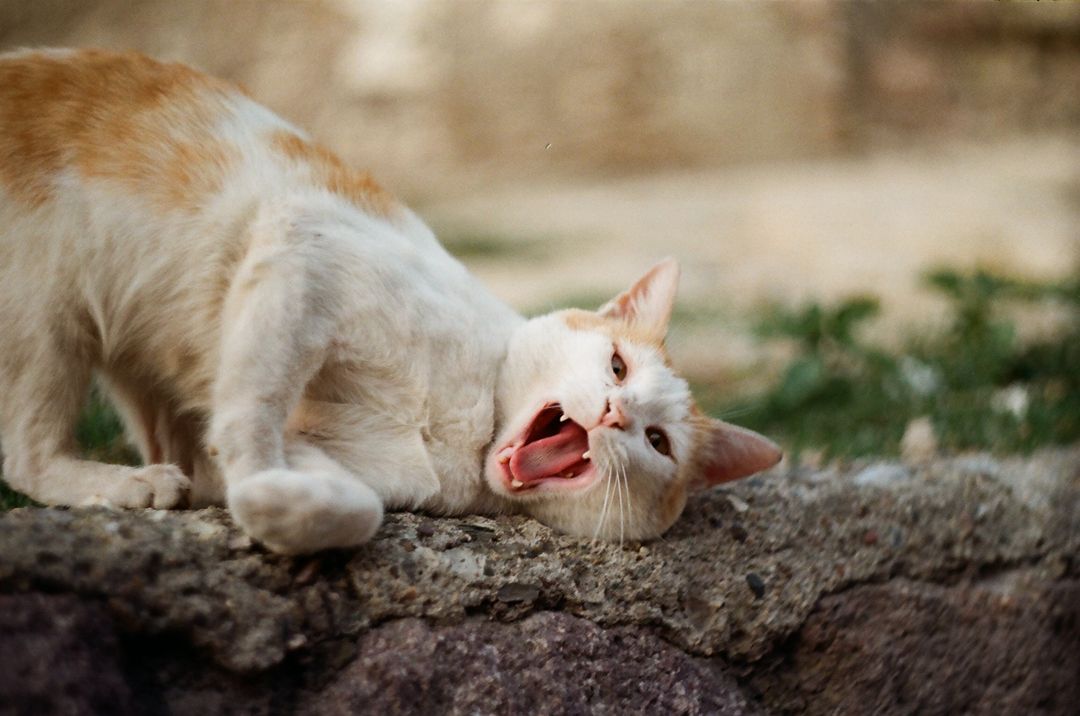
Scratching is not misbehaviour, which is why punishment never works. It is a normal, necessary behaviour that cats will perform somewhere — the only question is where.
The problem is almost always that the alternative you provided does not meet the cat’s actual requirements. Fix that and furniture damage usually stops within weeks.
Why cats scratch
There are four separate reasons, and understanding them explains where cats choose to do it.
- Claw maintenance. Scratching removes the worn outer sheath from the claws.
- Scent marking. Glands in the paws deposit scent, which is why cats scratch in prominent places.
- Visual marking. The shredded marks themselves are a signal to other cats.
- Stretching. A full-body stretch through the shoulders and spine.

The marking functions explain why cats target sofa arms and doorway corners rather than out-of-the-way spots. They are choosing visible, high-traffic locations deliberately.
That is also why hiding a scratching post in a spare room fails. The cat needs to mark where the household activity is.
What makes a post work
Most rejected posts fail on one of four specifications.
| Requirement | Why | Common failure |
|---|---|---|
| Tall enough | Full stretch, roughly 75cm+ | Posts sold too short |
| Completely stable | A wobbling post feels unsafe | Light base tips over |
| Right material | Most cats prefer sisal rope | Carpet-covered posts |
| Right location | Where the cat already scratches | Hidden in a spare room |
| Right orientation | Vertical or horizontal by preference | Only one type offered |
Stability is the most underrated. A post that shifts under a cat’s full weight will be abandoned after one attempt and never tried again.
The American Association of Feline Practitioners publishes guidance on feline environmental needs, of which scratching provision is a core component.
Vertical or horizontal?
Cats have individual preferences and many want both. Watch what your cat currently does.
A cat that scratches sofa arms and door frames wants vertical. A cat that scratches carpet and rugs wants horizontal. Provide whichever it is already choosing.
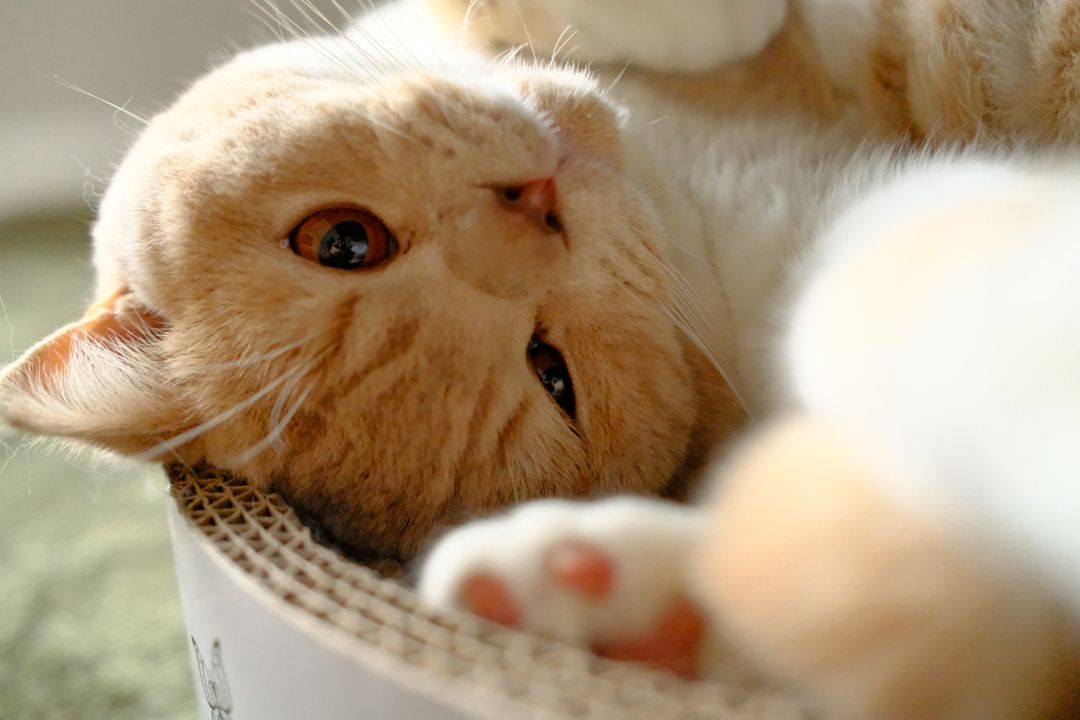
Cardboard horizontal scratchers are cheap enough to place several around the house, which is worth doing before assuming your cat dislikes scratchers generally.
Placement is most of the solution
This is where most people go wrong: the post goes where it looks tidy rather than where the cat needs it.
- Put a post directly next to the furniture being scratched — touching it.
- Add one near where the cat sleeps, since cats scratch on waking.
- Add one by the main doorway, a high-value marking location.
- Once the cat uses the post reliably for several weeks, move it a few inches at a time if you must.
- Never move it more than a few inches per week.
Moving a post too fast is the second commonest failure, and it undoes weeks of progress in a day.
Making furniture less attractive
Redirect first, deter second. Deterrents alone simply move the problem to a different sofa.
- Double-sided tape on the targeted area — cats dislike sticky paws.
- A furniture protector or throw over the corner temporarily.
- Aluminium foil, which most cats avoid walking on.
- Clean the area with an enzyme cleaner to remove existing scent marks.
- Remove deterrents gradually once the post is established.

The enzyme cleaning step is frequently skipped and it matters. A previously scratched spot carries scent that actively invites the cat back.
Encouraging the post
Do not take the cat to the post and move its paws. Cats resent forced handling and it creates a negative association with the object.
Instead, make the post rewarding on its own terms: rub catnip or silvervine into it, dangle a toy against it, and reward with a treat whenever the cat uses it voluntarily.
Praise the behaviour you want rather than punishing what you do not. Spray bottles and shouting damage your relationship with the cat and do not reduce scratching — they simply teach the cat to scratch when you are absent.
Claw trimming
Regular trimming reduces damage substantially without changing the behaviour, and it is worth doing alongside the post.
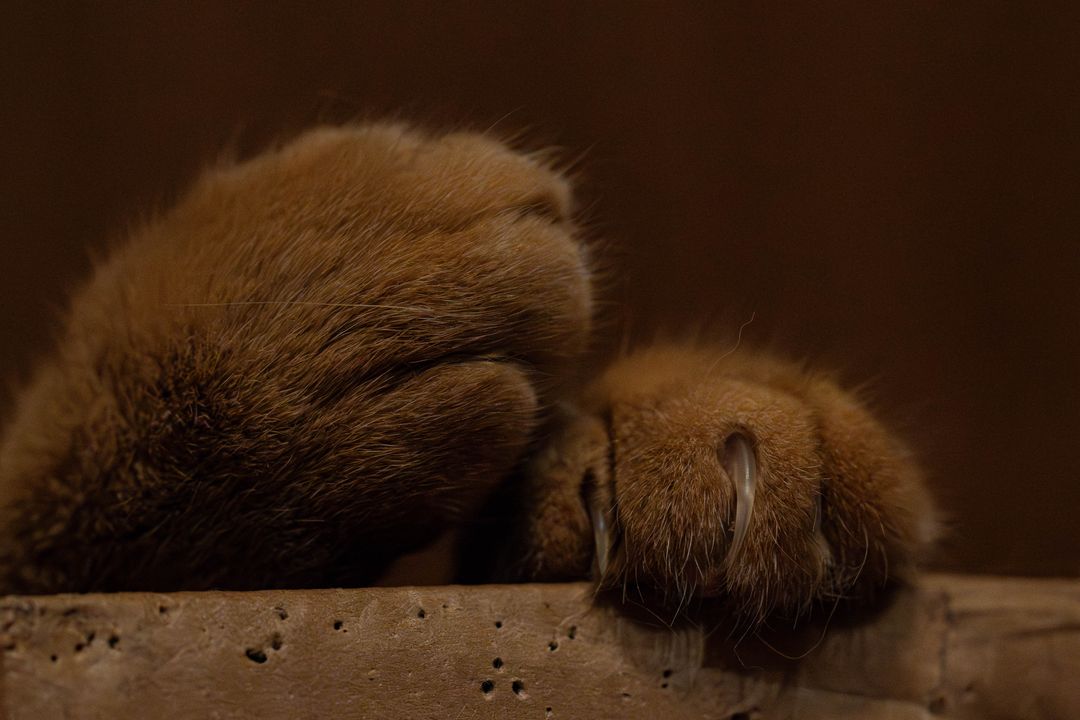
Trim every two to three weeks, taking only the sharp translucent tip and avoiding the pink quick. Our guide to trimming cat nails safely covers the technique.
Vinyl claw caps are a further option for persistent cases. They are glued over trimmed claws, last a few weeks and are harmless, though many cats dislike the application.
Declawing is not an option
Declawing is not nail trimming. It is the surgical amputation of the last bone of each toe, and it is banned or restricted in many jurisdictions.
It causes chronic pain, altered gait and litter box avoidance in a significant proportion of cats, and frequently produces biting as the cat loses its primary defence.
Reputable rescues prohibit it in their adoption contracts. Our explainer on why shelters prohibit declawing covers the evidence.
When scratching suddenly increases
A sudden change in scratching — new locations, much more frequent — is usually about stress rather than the furniture.
Common triggers include a new pet, a new baby, a house move, building work, or a strange cat visible outside a window.
Address the stressor rather than the symptom. Our guides to introducing a new cat to resident pets and helping a cat adjust after moving cover the two most common causes.
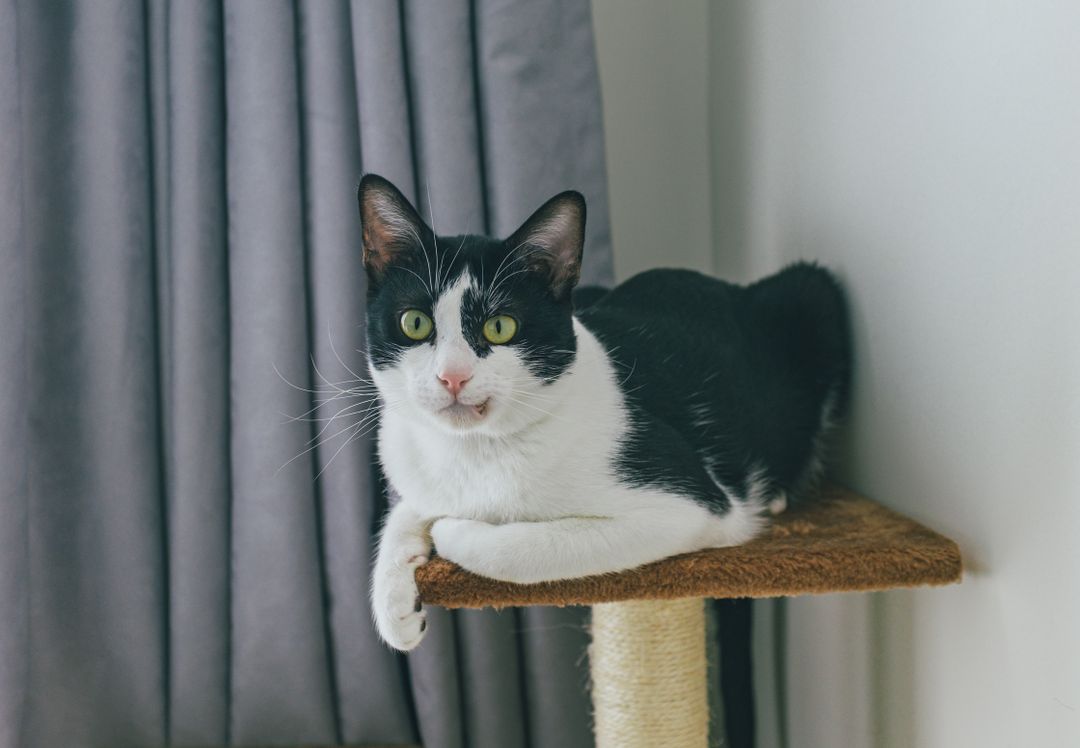
Kittens and new arrivals
It is far easier to establish scratching habits from the start than to redirect them later.
Provide posts before a new cat arrives, place them where the cat will spend time, and reward use immediately. A kitten that learns on sisal rarely develops a sofa habit at all.
- Have at least two posts in place before collection day.
- Put one in the settling-in room.
- Reward any use immediately, from the first day.
- Trim claws early so handling becomes routine.
- Add more posts as the cat expands into the house.
Our checklist for preparing your home before adoption covers the wider setup, and the first 30 days with a new cat covers establishing routines early.
Frequently Asked Questions
Why does my cat scratch the furniture?
Scratching maintains claws, deposits scent from glands in the paws, leaves a visual mark and provides a full-body stretch. The marking functions explain why cats choose prominent, high-traffic spots.
What kind of scratching post do cats prefer?
Tall enough for a full stretch — around 75cm or more — completely stable, and covered in sisal rope rather than carpet. Stability matters most: a post that wobbles is abandoned after one attempt.
Where should I put a scratching post?
Directly next to the furniture being scratched, touching it if possible. Also near where the cat sleeps and by the main doorway. Hidden posts in spare rooms almost always fail.
Does spraying a cat with water stop scratching?
No. It damages your relationship with the cat and simply teaches it to scratch when you are not present. Redirect to an appropriate post and reward that instead.
Is declawing a solution to furniture scratching?
No. Declawing is amputation of the last bone of each toe, not nail trimming. It causes chronic pain, altered gait, litter box avoidance and often biting, and reputable rescues prohibit it.
Why has my cat suddenly started scratching more?
Usually stress rather than the furniture. Common triggers are a new pet, a new baby, a house move, building work, or a strange cat visible outside a window. Address the cause, not the symptom.